How county zoning laws affect who can build a backyard cottage
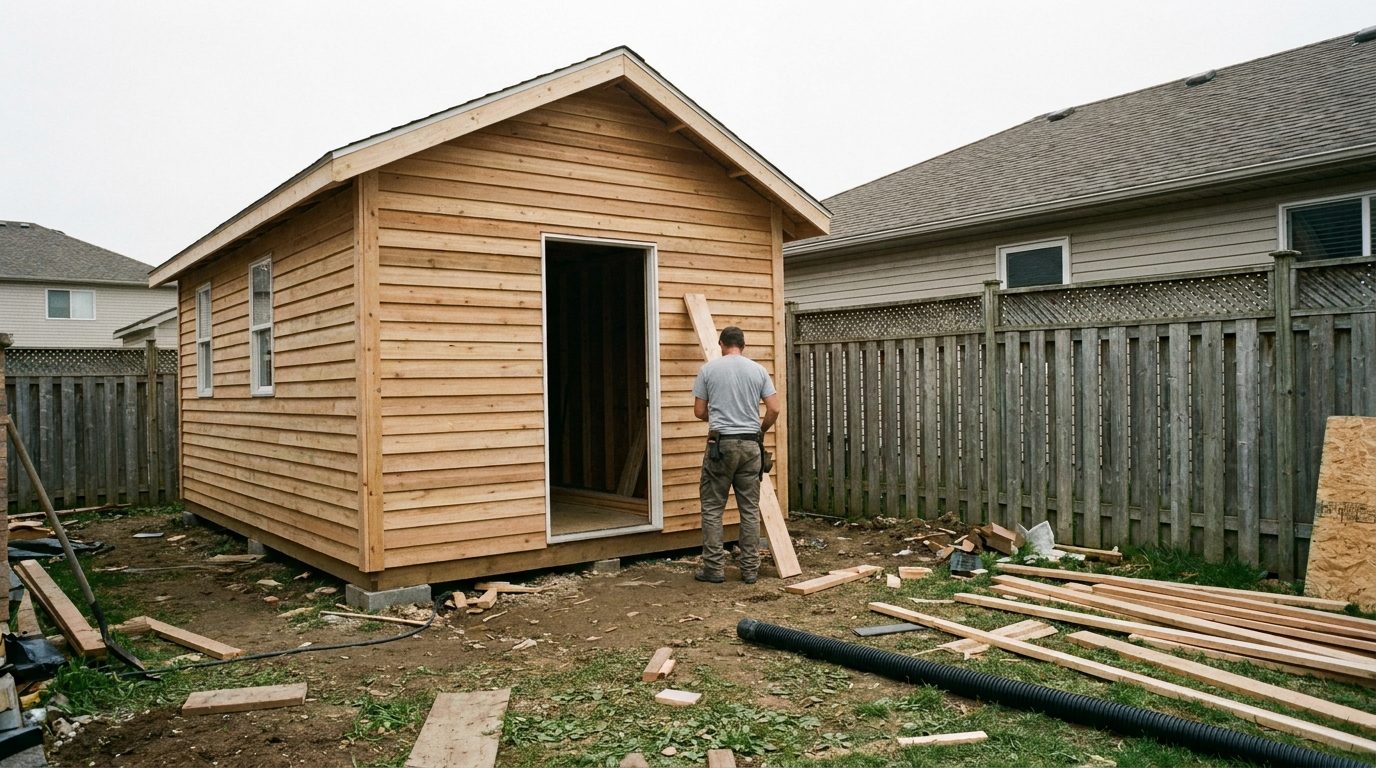
A small second home in the back garden is one of the few kinds of housing an ordinary homeowner can add without being a developer. Whether you can actually build one depends on a stack of rules that most people encounter for the first time after they have already paid an architect.
They are called accessory dwelling units, and the acronym ADU is what you will see on every document.
What state law changed
California has passed a series of laws over the past several years that substantially limited what cities and counties can do to prevent them.
Broadly, local agencies must allow at least one accessory unit on a residential lot, must process applications ministerially rather than through a discretionary hearing, and face limits on the parking, setback, owner occupancy and size requirements they can impose.
Ministerial matters enormously. It means if the application meets the objective standards, it must be approved. There is no hearing at which neighbours can object, and that single change is responsible for most of the increase in these units being built.
Other states have moved in similar directions to varying degrees, and the details differ a great deal.
What the local rules still control
Plenty, and this is where applications actually fail.
Objective design standards. Height, setbacks, lot coverage, roof form, materials. These are permitted within limits and they are where a local agency that dislikes these units expresses that.
Utility connections. Whether a separate water or sewer connection is required, and what the connection fee is. This is frequently the largest single cost and it varies wildly between jurisdictions.
Septic capacity, which is the hard constraint in unincorporated areas. If the lot is on a septic system, the system has to accommodate the additional bedrooms, and a county environmental health department will require a soils evaluation. An inadequate system means a new leach field, or means no.
Fire access. Distance from a hydrant, road width, turnaround requirements. In areas designated as high fire hazard severity zones there are additional construction requirements that raise costs significantly.
Well capacity, if the property is on a private well.
What stops people in practice
Not usually zoning. Money and infrastructure.
Construction cost, which for even a modest detached unit is substantial and which people consistently underestimate.
Financing, because a homeowner adding a unit is not building something a conventional mortgage product easily covers, though products aimed at this have improved.
Impact fees, which state law has limited for smaller units but which still apply in various forms.
And septic, which is the one I see end projects in the unincorporated county more than anything else.
The homeowners association question
A private restriction is a different animal from a public one. California law has limited the ability of associations to prohibit these units outright, and associations retain the ability to impose reasonable restrictions.
If your property is in an association, read the governing documents before you do anything else, and get advice, because this area has been actively litigated.
How to find out what applies to you
Start with the county or city planning department's own handout. Most have produced one specifically for these units, because the volume of questions forced them to.
Get your parcel number and look up the zoning, the lot size, and whether you are in a fire hazard severity zone.
Call environmental health about the septic system before you spend money on drawings. This is the order people get wrong. They design first and discover the septic constraint afterwards.
And ask the planning counter one specific question: what are the objective standards my project must meet. That phrasing gets you a usable answer, because it is the language the rules are written in.
Why I write about this
Because it is one of the few areas where an ordinary person can add housing, and because the rules changed substantially and recently enough that most people's understanding is out of date.
The person who was told no in 2016 may well get a yes now, and nobody is going to write and tell them.