What happens to pets left behind during emergency hospital visits
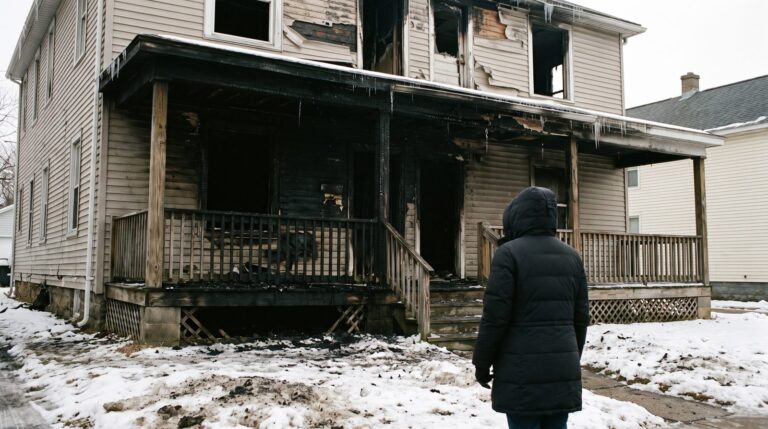
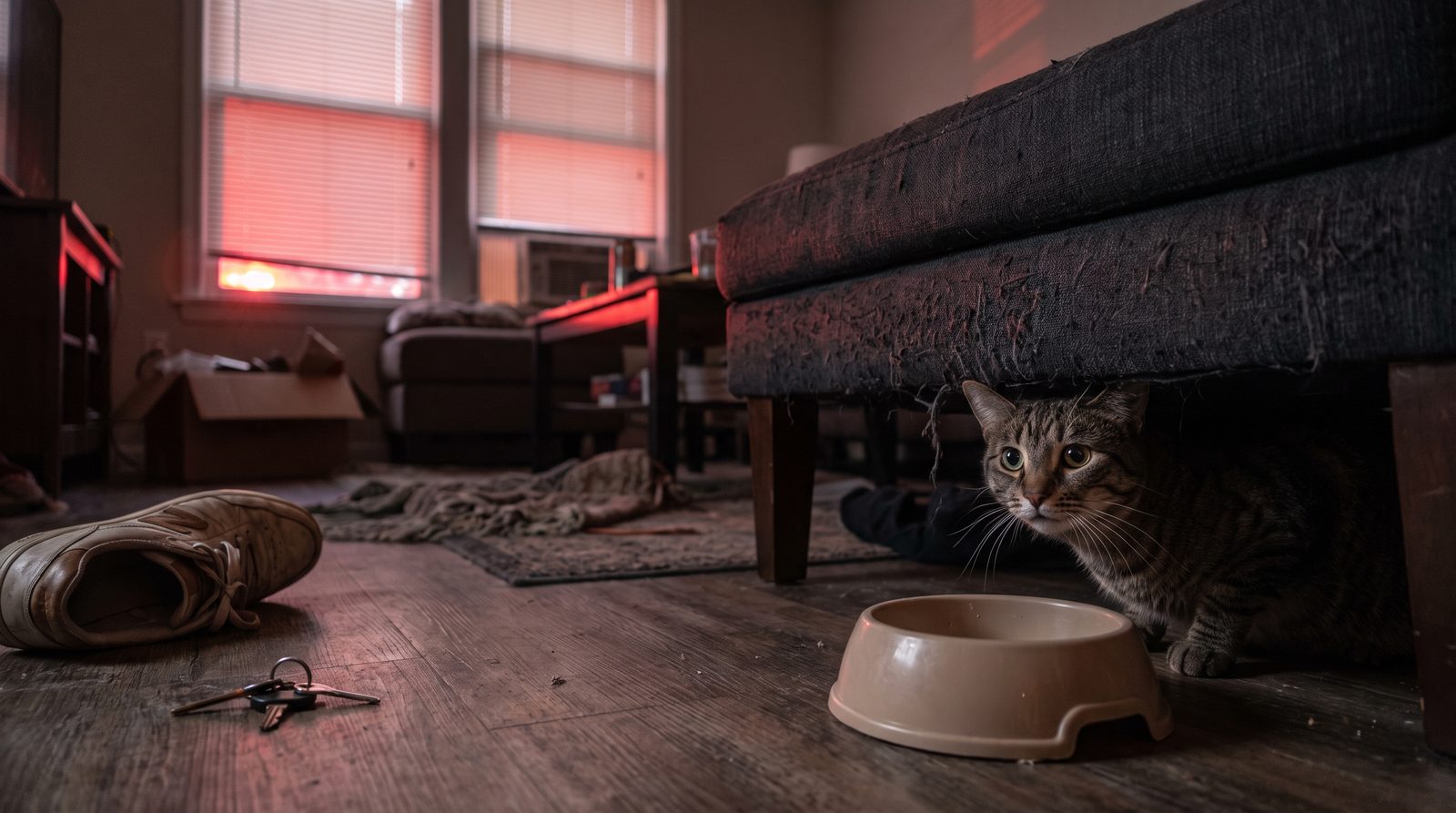
Somebody collapses at home. An ambulance takes them. The door is locked and there is a dog inside, and nobody at the hospital knows.
This is a gap in the system rather than a failure of any particular person, and it catches people who live alone more than anyone else.
What actually happens now
It depends entirely on whether the patient could speak and thought to mention it.
A conscious patient who says there is a cat at home will usually get something done about it. Paramedics are generally good about this and will pass it along, and many departments have a relationship with animal control.
An unconscious patient, or a confused one, or one who did not think of it in the middle of a cardiac event, is a different matter. I have taken calls where the animal was not discovered for days, and it was discovered by a neighbour noticing barking.
Hospitals are not set up for this. There is no standard field on an admission form for dependants of the four legged kind, and there is no member of staff whose job it is.
Animal control will respond, and they respond when someone tells them. That is the missing link.
What to do before it happens
An in case of emergency card in your wallet, with your identification. Two lines. I have a dog at this address, this person has a key and will collect him, this is their number.
Emergency responders look in wallets. They look for identification and medical information. A card that is with your driving licence will be seen.
A pet alert sticker on the front door and one on a window. These are given away free by animal welfare organisations and they cost nothing. Write the number of animals on it and keep it current, which people do not.
A named person with a key who has actually agreed. Not a relative in another state. Somebody who can be at your door in an hour, who knows where the food is and where the lead is kept.
Write it down and give them a copy. Where the vet is, what medication the animal takes, what the animal is like with strangers.
And put the same information in your phone, in the medical identification section that is accessible from a locked screen. That is checked in hospitals routinely now.
The longer stay problem
A few days is one thing. A hospital stay of three weeks, or a move into care, is a different problem entirely.
The person with the key can usually manage a few days. They frequently cannot manage a month, and this is where animals end up surrendered to shelters by families who see no alternative.
There are organisations that provide temporary foster care specifically for pets of people who are hospitalised. Coverage is patchy and it varies enormously by area, and local humane societies generally know who operates in your county.
Find out now, not then. The moment you need it you will not be in a position to research it.
For anyone with an elderly relative
This is worth raising with them and it is an awkward conversation, because it sounds like planning for their death.
Frame it as the hospital visit rather than the funeral, which is both easier and more likely to be the actual event. People go to hospital unexpectedly far more often than they die unexpectedly.
Ask who has a key. Ask whether anybody knows the vet. Put the card in the wallet yourself if they will let you.
What I would change
A standard question at admission, asked of every patient who is conscious, about dependants including animals. It costs nothing and it would close most of this gap.
Several health systems have adopted something like it. Most have not.
Until then the whole thing rests on a piece of card in a wallet, which is a thin system, and which works.