The daily routine of a retired deputy patrolling the Arizona desert
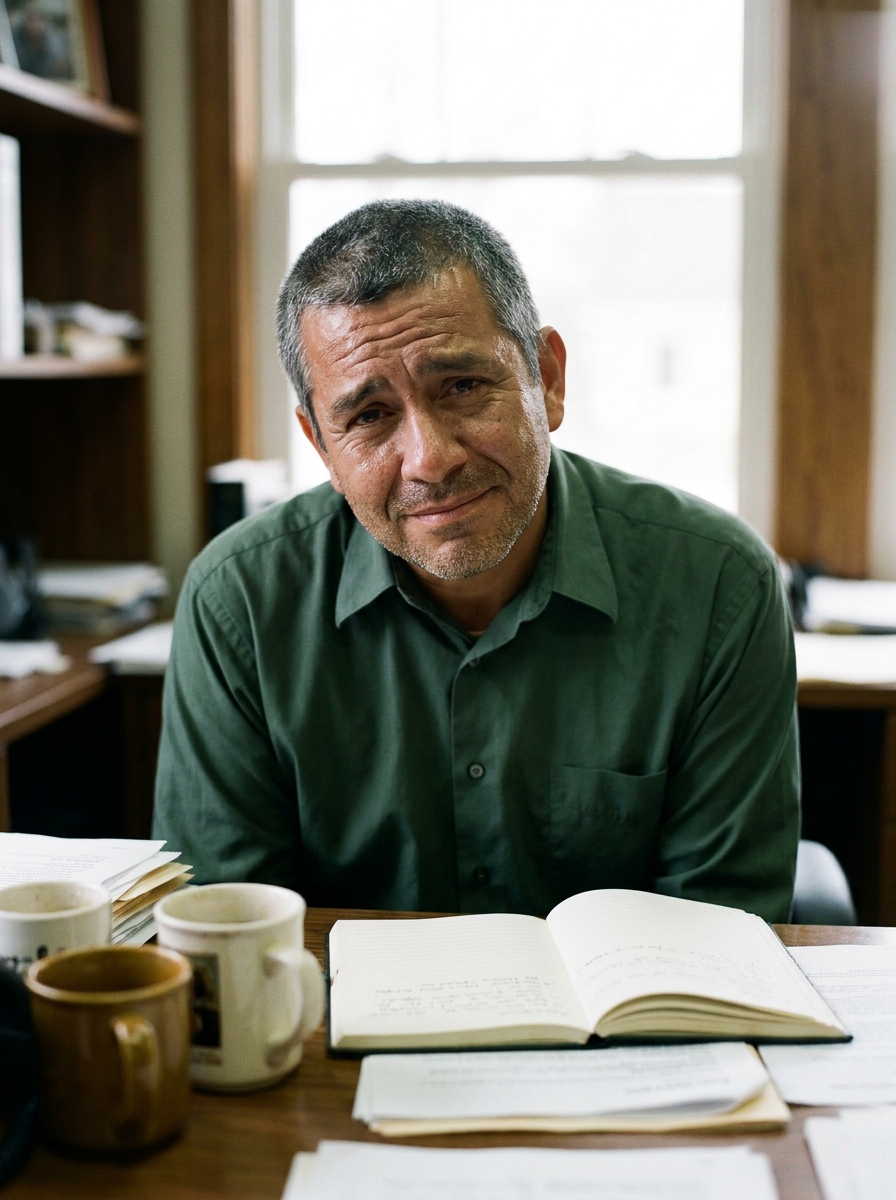
He does not have a badge any more and he is very clear about that. He is a volunteer with a county programme, he drives a marked vehicle, and he has no arrest authority.
What he has is thirty-one years of knowing these roads and a willingness to be out on them at six in the morning.
Six o'clock
He starts before the heat. In summer everything in this part of the state happens before ten or after seven.
The first hour is the washes. After any rain, and sometimes after none, the low crossings are where trouble happens. A car in a wash is the thing he is most likely to find and the thing that kills people here most reliably.
He checks the barricades are still standing where they should be, which they frequently are not, because people move them to get through.
Then the roads
He drives a loop. Same loop most days, and that is the point of it.
The value of driving the same roads for years is that you notice difference. A vehicle parked where no vehicle parks. A gate open that is always shut. A mailbox that has not been emptied.
He told me he found an elderly man two winters ago because a porch light was on at nine in the morning and it had never been on at nine in the morning before. That is not police work in any technical sense. It is pattern recognition built over three decades.
The welfare checks
A part of most days is calling on people. Some of it is formal, a list from the sheriff's office of residents who have asked to be checked on. Some of it is not.
There are people out here who live twenty miles from a neighbour, who no longer drive, and whose families are in another state. He knows who they are. He knows which ones want a conversation and which ones want him to look at them through the screen door, confirm they are upright, and leave.
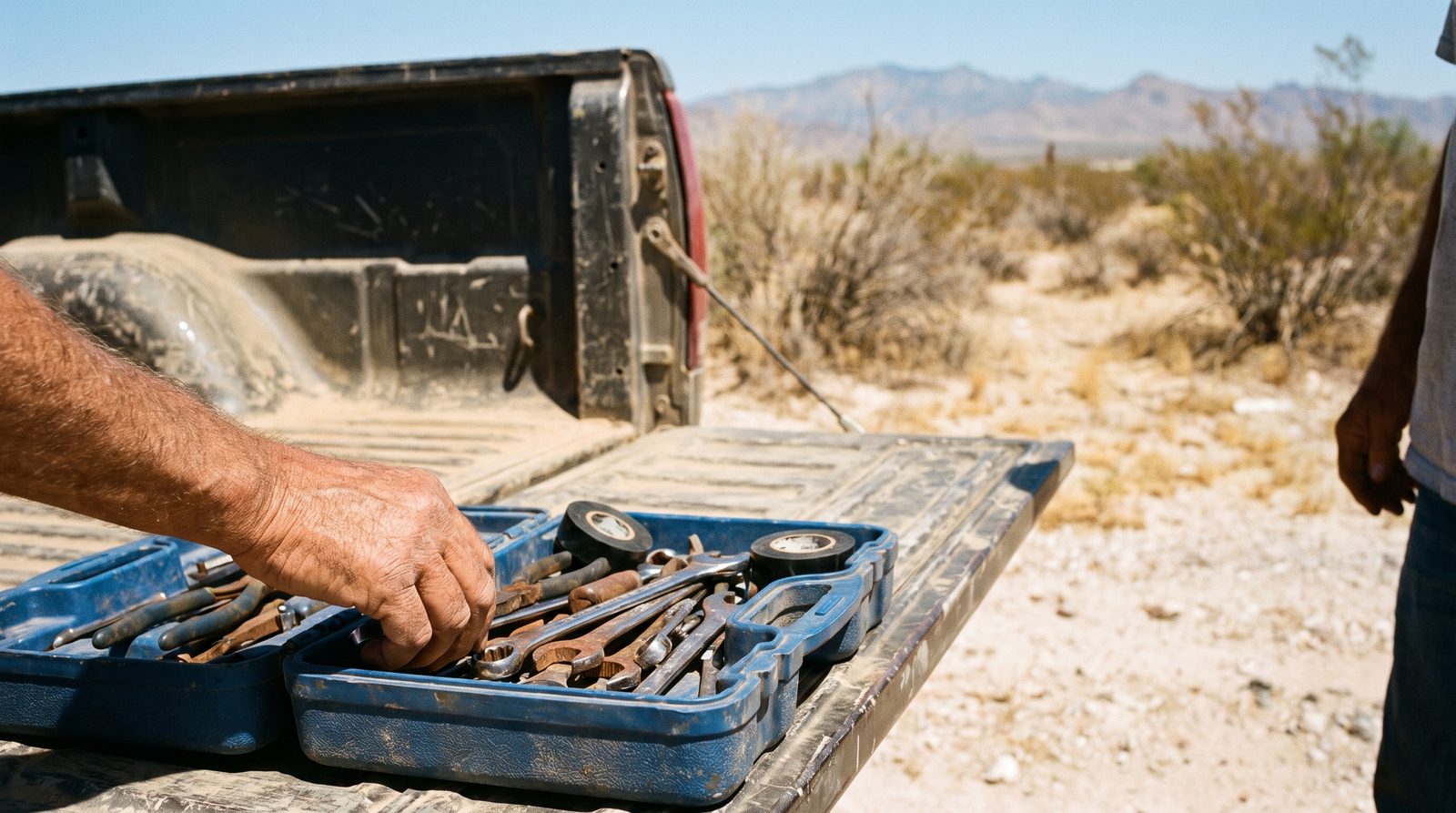
He carries water in the back and a phone charger and, from October, blankets.
What he actually does about crime
Very little, directly, and he is emphatic about it.
He reports. He is a radio and a set of eyes and a familiar vehicle, and he says the familiar vehicle is most of the value. A marked car moving through an area at unpredictable times does something that an investigation cannot.
When he finds something, he calls it in and waits. He does not approach. He described one occasion where he found a stripped stolen truck and sat two hundred yards off with the engine running until a deputy arrived, which took forty minutes.
That gap, forty minutes, is the thing about rural policing that people in cities do not understand. Everything out here is measured against how long it takes for someone with authority to arrive.
The tourists
In the cooler months there are visitors, and they do things that make him tired.
Driving rental sedans down roads that need clearance. Setting out on a hike at eleven in the morning with a single small bottle of water. Going off a marked route to photograph something.
He stops and talks to them. Politely, he says, and I believe him, because I watched him do it twice.
He keeps spare water for exactly this.
The part he does not say directly
He retired in 2019 and he was back doing this within six months.
I asked him why and he gave me a practical answer about staying useful. Later, without me asking anything, he said that the first year after he handed in the badge he did not know what to do at six in the morning.
That is the whole story and it took him an hour to get to it.
What it costs the county
Almost nothing. Fuel, the vehicle, some training, a radio.
What it saves is harder to measure and includes at least three people he has found who would not have been found for days. He does not put it that way. When I asked him about the man with the porch light he said somebody would have noticed eventually.
Maybe. Eventually out here is a long time.