The neighbors who ran toward the Milwaukee duplex fire
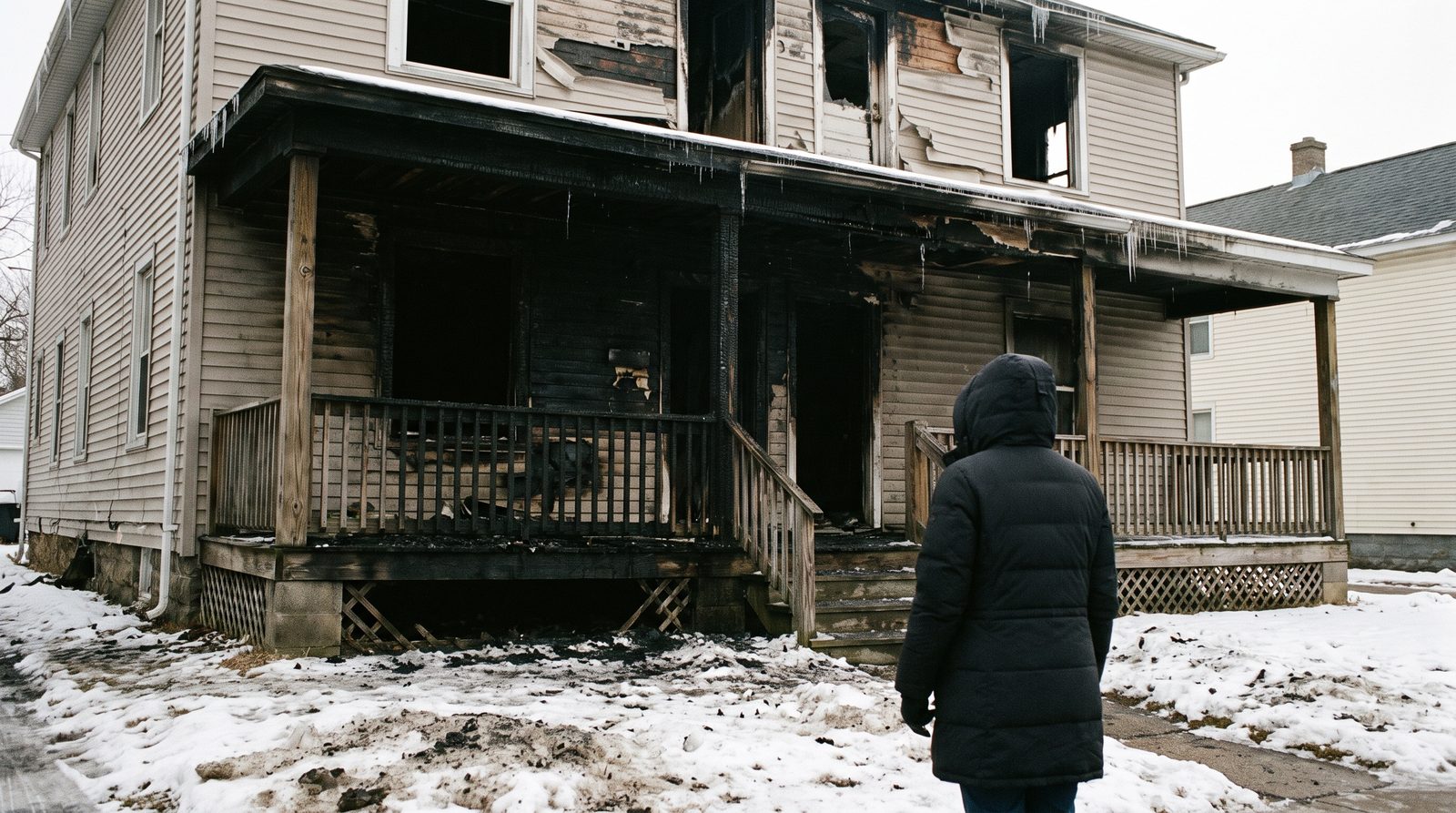
The fire department got there in a little over four minutes, which is a good response time in any city. Three people were already out of the building by then, and none of them got out by themselves.
I was not on shift that night. I have spent a long time since thinking about what the recording of that call tells you, and about what happened in the four minutes.
What neighbours actually do
The research on this is consistent and it surprises people. In a residential fire, most of the people who get out of an occupied building are assisted by somebody who was not a professional and who was there already.
Neighbours bang on doors. They carry people. They point firefighters at the bedroom window where somebody is still asleep.
The four minute gap is not empty time. It is the period in which most survivable rescues happen, and it is handled by whoever is standing there.
What they did wrong
I want to be direct about this because the version of the story that gets told locally leaves it out.
Two of them went inside. Into a duplex with smoke coming from the ground floor, without any protection, and came back out with a resident.
That worked. It also very nearly did not, and the second man was treated at the scene for smoke inhalation.
Fire behaves in ways that are not obvious from outside. A room that looks survivable from the doorway can flash over in seconds once air reaches it. The reason firefighters wear what they wear is not caution.
What the department will tell you, and what I would tell you, is do not go in. What people actually do is go in, and they will keep doing it, because the person inside is somebody they know.
So the honest advice is narrower than never go in. It is: know what makes it slightly less likely to kill you.
Feel the door before you open it. Stay low. Know before you enter which room the person is in and how you are getting out. Do not go up stairs. Do not go in twice.
And put somebody outside whose entire job is to notice if you do not come back.
What actually helps most
Getting the call in. Immediately, and with an address rather than a description.
Getting everyone accounted for. The single most useful piece of information a firefighter can receive on arrival is whether anyone is still inside and where. That is a job for the neighbour with the clipboard mentality, and every street has one.
Waving them in. In a dense neighbourhood at night with numbers that are hard to read, a person standing in the road pointing is worth thirty seconds, and thirty seconds is a great deal.
Moving cars. Blocked access is a real and constant problem.
Managing the pets, which sounds trivial and is not, because people go back into buildings for animals.
Afterwards
The thing that struck me most about that fire is what happened over the following week rather than during it.
Two households lost everything. The street organised. Somebody set up a collection, somebody else sorted out temporary housing through a church, somebody handled the insurance paperwork for a woman in her seventies who could not face it.
There is a formal system for this, and the Red Cross does exactly this work and does it well. What the formal system cannot do is know that the woman on the corner will not ask for help and needs someone to turn up at her door.
What I took from it
For six years I listened to people in the worst minutes of their lives. The thing I was not prepared for, and which I still find moving, is how often somebody else was already there.
Not a professional. A neighbour, in a coat over pyjamas, doing something useful and frightened while they did it.
The systems we build assume that gap of four minutes is empty. It is not, and it never has been, and the outcomes in that gap depend almost entirely on whether people on a street know each other well enough to knock.