Who owns the power lines out here? How rural electric co-ops work
If you live outside a city, there is a good chance the company that sends your electric bill is not a company in the usual sense. It is a cooperative, and as a customer you are also one of its owners.
Most people never think about that. It is worth a few minutes, because it affects how your rates are set, who makes decisions about your power, and whether you are owed money.
How co-ops started
In the mid-1930s, power companies had wired the cities, but most farms were still in the dark. Running lines down long country roads to reach a handful of customers per mile did not pay.
The Rural Electrification Act of 1936 offered low-cost federal loans to build those lines. Private utilities were mostly not interested, so farmers and ranchers formed their own nonprofit cooperatives, borrowed the money, set the poles and strung the wire themselves.
How big they are today
According to the National Rural Electric Cooperative Association, there are about 890 electric co-ops in the United States. Most are distribution co-ops that deliver power to homes and businesses, and about 60 are generation and transmission co-ops that produce or buy power for them. Together they serve an estimated 42 million people in 48 states.
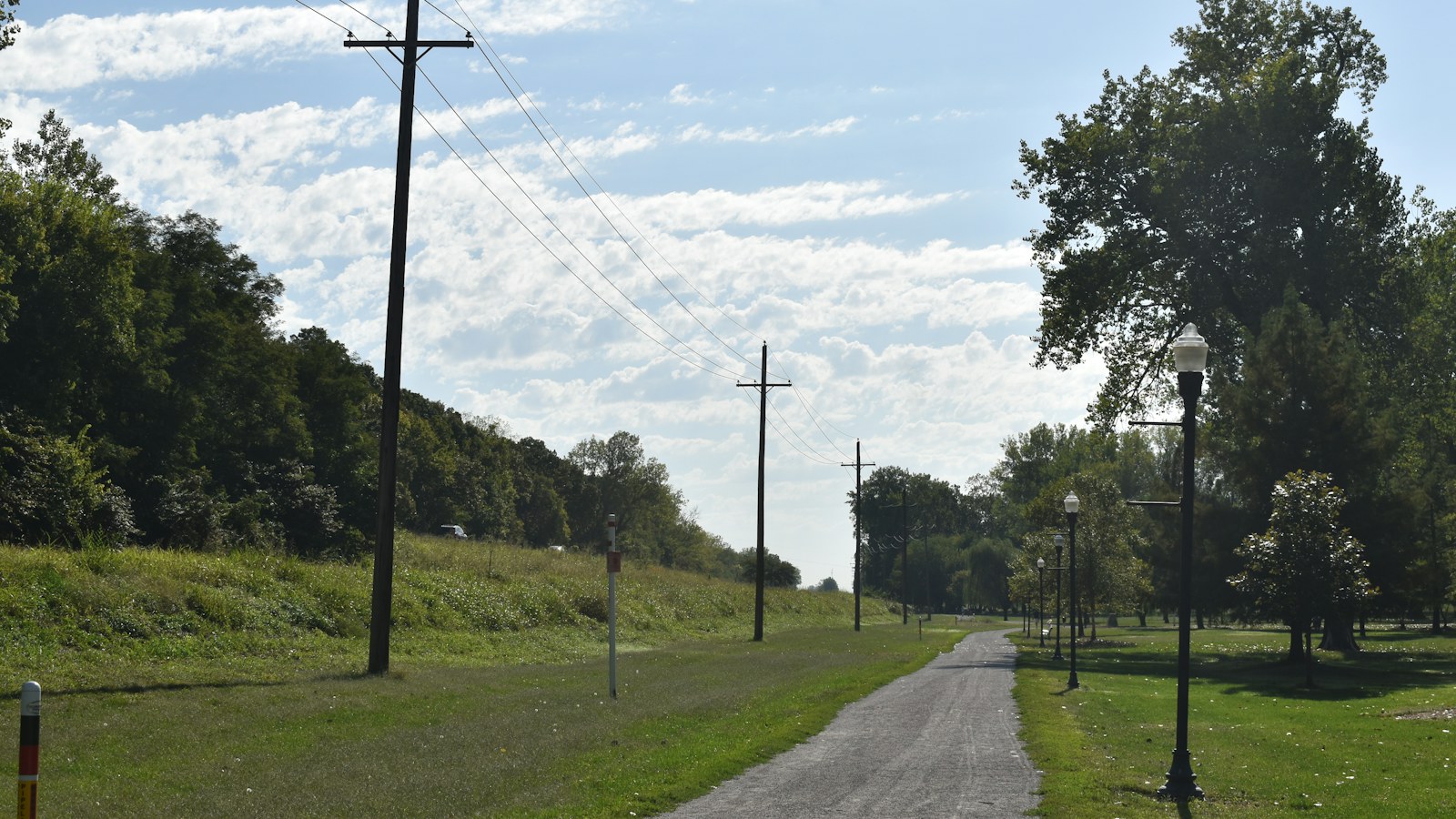
They own and maintain about 2.7 million miles of power line, roughly 42 percent of the country’s distribution lines.
The economics that kept investor-owned utilities away in the 1930s still apply. Co-ops average about 9 customers per mile of line, compared with about 39 for the rest of the industry. They bring in roughly $22,800 in revenue per mile of line, compared with more than $111,000 for everyone else. That gap is why rural power costs what it does, and why storms that bring down miles of line are such a heavy burden for a co-op.
What being a member means
Co-ops are owned by the people they serve and run on a not-for-profit basis. A few things follow from that.
You get a vote. Members elect the board of directors, usually one member, one vote, regardless of how much power you use. Board elections are often held at an annual meeting or by mail ballot, and turnout is frequently low. In many co-ops a few hundred votes can decide a seat.
Rates are set locally. The board, not distant shareholders, approves rates. In many states co-op rates are not reviewed by the state utility commission the way investor-owned utility rates are, which makes the board’s decisions more important.
You may be owed money. When a co-op takes in more than it costs to run in a given year, the extra is called margin. It is credited back to members in proportion to how much power they bought, as what are called capital credits. The co-op holds that money for a period of years as working capital and then pays it back, often as a check or a bill credit.
If you have moved, capital credits from a co-op you used to belong to may still be waiting for you. Co-ops generally try to find former members, but it helps to keep your address current or call and ask.
How to get involved
Read the co-op’s newsletter or magazine, which is where notices of board elections, rate changes and annual meetings usually appear. Go to the annual meeting at least once. Many still serve a meal and give away door prizes, and members can ask questions of the board and the manager directly.
If you have opinions about rates, outages or how the co-op is planning for the future, run for the board or support someone who will. It is one of the few places where an ordinary customer can have a real say in how a utility is run.