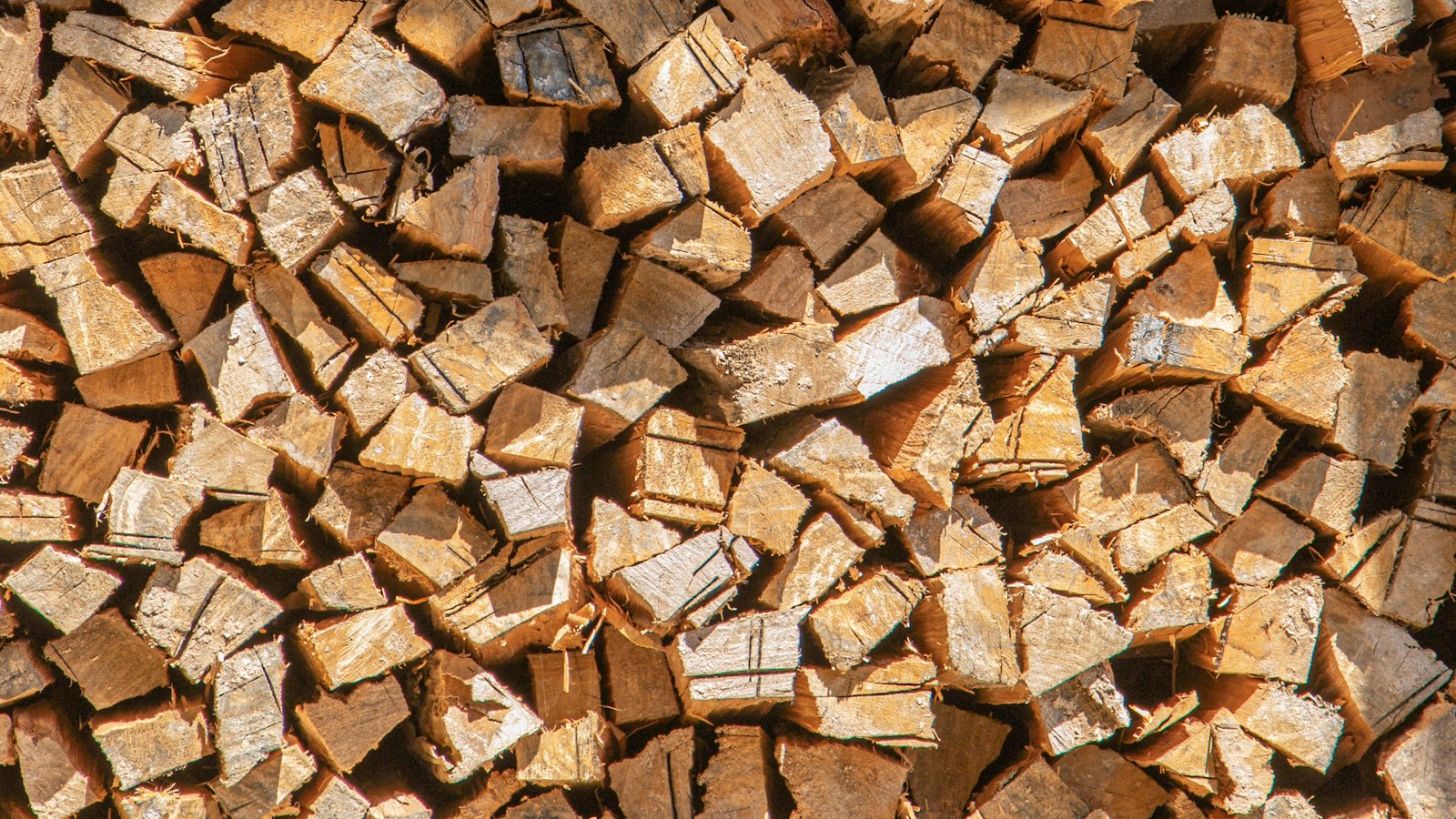
Buying or selling firewood this winter? What a cord really is and how to avoid getting shorted
Firewood is one of the few things many people still buy from a neighbor with a pickup and a hand-lettered sign. It is also one of the easiest purchases to get wrong, because the units are confusing and the quality varies a lot.
What a cord is
A full cord is a specific amount of wood: a neatly stacked pile 4 feet high, 4 feet deep and 8 feet long, for a total of 128 cubic feet. That measurement includes the air spaces between the pieces, which is why the wood has to be stacked tightly for the number to mean anything.
Many sellers use other terms. A face cord, sometimes called a rick or a rank, is also 4 feet high and 8 feet long, but only one row deep. How much wood that is depends on how long the pieces are cut. With common 16-inch pieces, a face cord is about one third of a full cord.
Terms like a truckload or a pickup load have no standard meaning at all. A full-size pickup bed, loaded loosely, often holds far less than a cord.
Several states require firewood to be sold by the cord or by a stated fraction of a cord, and some require a receipt or delivery ticket. If you are not sure what you are getting, ask for the size in cubic feet.
Check that it is seasoned
Freshly cut wood can be half water by weight. It is hard to light, gives off less heat and leaves more creosote in the chimney, which raises the risk of a chimney fire.
Seasoned wood has been split and dried, usually for six months to a year or more depending on the species and the weather. Signs of good firewood include cracks on the ends of the pieces, bark that comes loose easily, a lighter weight than you would expect and a hollow sound when two pieces are knocked together. An inexpensive moisture meter takes the guesswork out. Well-seasoned wood generally reads below 20 percent.
Dense hardwoods such as oak, hickory and maple give more heat per cord than softwoods such as pine, but they take longer to dry.
Do not move firewood far
Firewood is one of the main ways invasive insects and tree diseases spread to new areas, including the emerald ash borer, which has killed huge numbers of ash trees across the country. The usual guidance is to buy wood near where you will burn it, and not to carry it between counties or states. Some states restrict moving untreated firewood across their borders.
If you sell firewood
Selling firewood can be a decent side income, especially for people who clear land or have access to downed trees. A few things keep it legitimate:
- Sell in standard units and stack the wood so buyers can measure it.
- Give a simple receipt with your name, the amount and the price.
- Be honest about how long the wood has been seasoned and what species it is.
- Check your state’s rules on firewood sales and on moving wood, especially if you cross county or state lines.
- Keep track of the income for taxes, since it counts even when it is paid in cash.
A seller who delivers what was promised will have customers calling back every fall. In a small town, that reputation is worth more than whatever could be gained by stacking a load loosely.