What to keep in your car for winter driving on rural roads
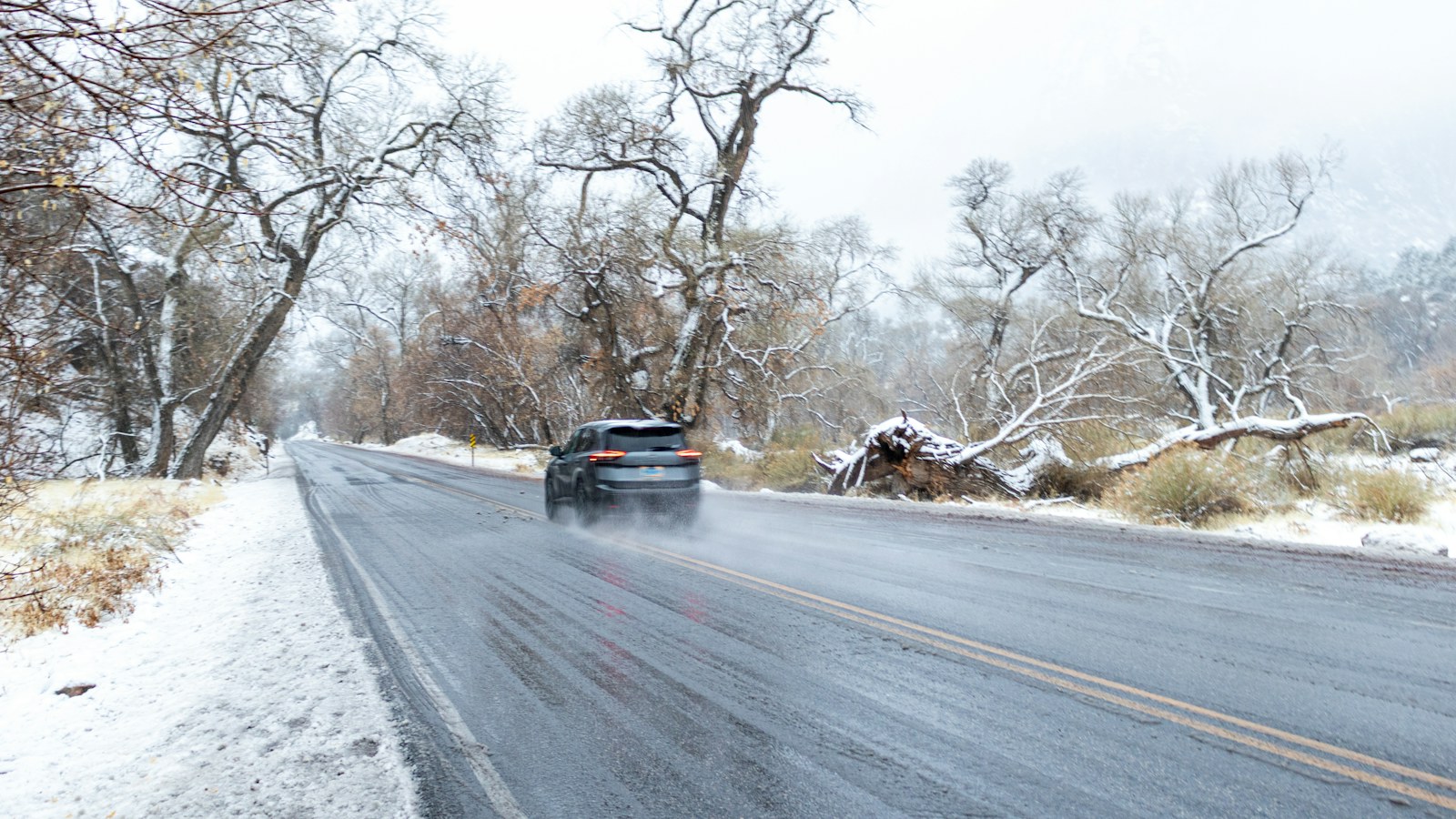
On an interstate, a car that slides into a ditch is usually found quickly. On a county road at night, with no cell signal and the next house miles away, it can be a long wait. What is in the trunk matters a lot more out there.
None of what follows is expensive, and most of it can sit in a plastic bin from October to April.
The basics to keep in the car
- A warm blanket or sleeping bag for each person who usually rides with you
- Extra hats, gloves and dry socks
- A flashlight with spare batteries, or a hand-crank light
- A phone charging cable and a charged battery pack
- Bottled water and food that will not spoil, such as granola bars or nuts
- A small shovel and an ice scraper with a brush
- A bag of sand or cat litter to put under the tires for traction
- Jumper cables, or a portable jump starter
- Reflective warning triangles or flares
- A basic first aid kit and any medication you need daily
- A paper road map, because phone maps fail when the signal does
- Something brightly colored, such as a bandana or a piece of fabric, to signal for help
Check the bin when you change the clocks in the fall. Batteries die and snacks get eaten.
Before you leave
Keep the gas tank at least half full through the winter. It gives you a reserve if you are stuck and need to run the engine for heat, and it reduces the chance of a frozen fuel line.
Tell someone your route and when you expect to arrive, especially on long drives through empty country. If you do not show up, that person knows where to start looking.
Check the forecast and the road conditions from your state transportation department. If a storm is coming in, the safest trip is often the one you postpone.
If you get stuck
Stay with the car. It is shelter, and it is much easier for searchers to find than a person walking. People have died walking for help in conditions where they would have been fine if they had stayed put.
Call for help if you have a signal. If calls will not connect, try sending a text, which can sometimes get through when a call cannot. Text to 911 is available in many areas but not all, so call first if you can.
Run the engine for about ten minutes each hour to warm up, rather than leaving it on constantly. Before you start it, make sure the exhaust pipe is clear of snow. A blocked tailpipe can fill the car with carbon monoxide, which has no smell and can kill. Open a window slightly, on the side away from the wind, while the engine is running.
Make yourself visible. Tie the bright cloth to the antenna or a door handle. At night, turn on the dome light while the engine runs so you can be seen without draining the battery.
Keep moving a little to stay warm. Clap your hands, move your arms and legs, and avoid sitting in one position for hours. If there is more than one of you, share blankets and body heat.
Drink water, and eat something. Your body needs fuel to stay warm.
Watch for the signs of cold injury
Frostbite usually starts with numbness and skin that looks white or grayish on the fingers, toes, nose or ears. Hypothermia shows up as intense shivering, then confusion, slurred speech and sleepiness. If anyone shows those signs, get them as warm and dry as you can and tell the dispatcher when you reach help.
A habit, not a project
Most winter drives end without trouble, which is exactly why people skip this. The kit is for the one night that does not. Put it together once, check it every fall, and it will be there when you need it.