How to check on an older neighbor this winter without making it awkward
Most people would help an older neighbor in the winter if they knew help was needed. The problem is knowing, and asking without it feeling like an intrusion.
It is worth getting past the awkwardness. Older adults are more vulnerable to the cold than younger people, and some of the risk is easy to miss from the outside.
Why the cold is harder on older people
As people age, the body becomes less efficient at holding heat and at noticing that it is getting cold. Some medications and conditions make that worse. The result is that an older person can become dangerously chilled indoors, in a house that is simply kept too cool, without realizing it.
The National Institute on Aging suggests keeping the home at 68 to 70 degrees Fahrenheit for older adults. Plenty of people keep it lower to save money, especially on a fixed income.
Hypothermia in older people does not always look like shivering. The warning signs include confusion, slurred speech, unusual sleepiness, clumsiness, and skin that is cold to the touch. If you see those signs, call 911.
Start before the bad weather
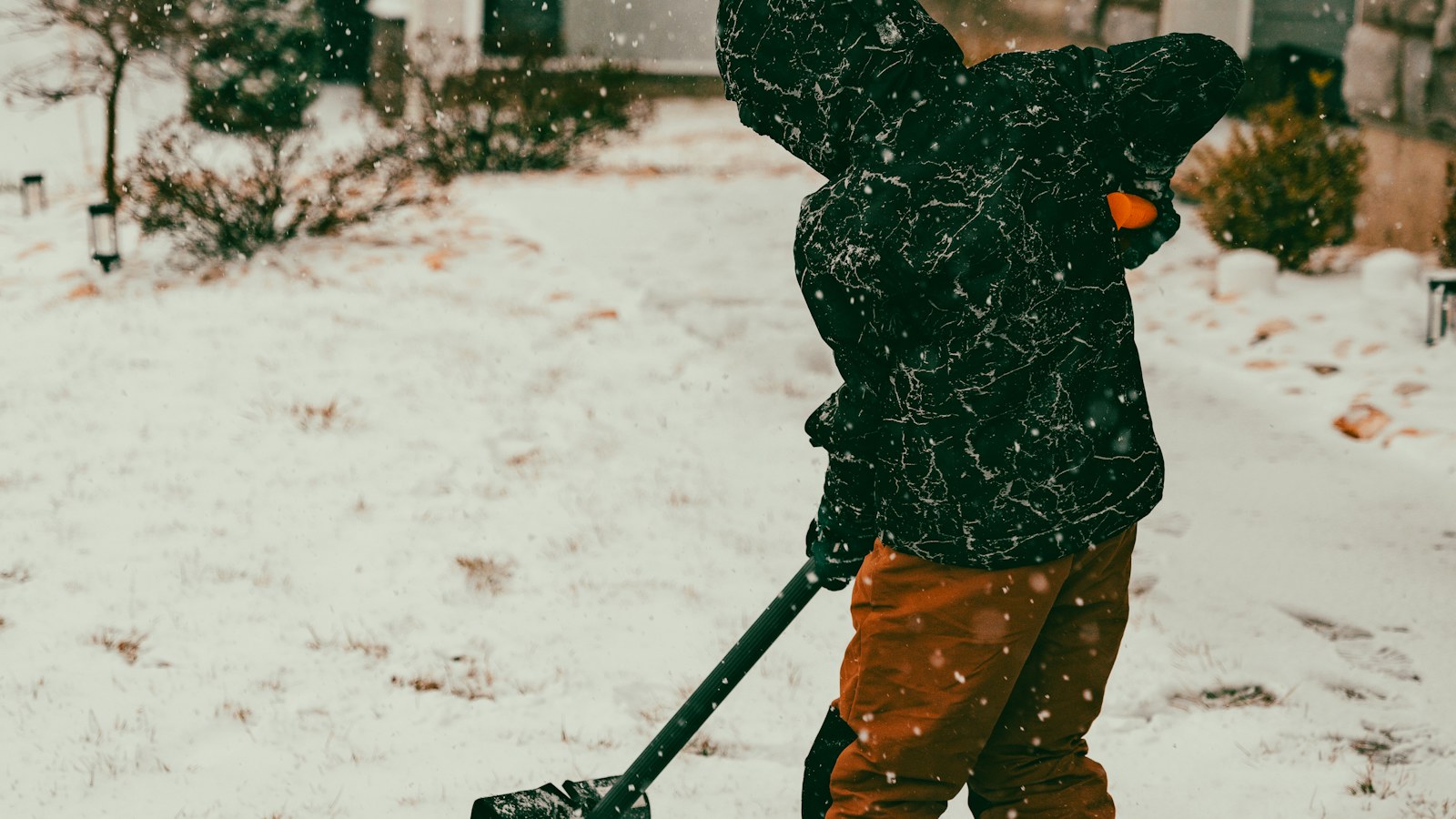
The easiest time to introduce yourself is when nothing is wrong. A knock to say hello, an offer to shovel the walk when it snows, or a note with your phone number is enough.
People are more willing to accept help from someone they already know a little. A first conversation during a storm, when they have lost power, is much harder for everyone.
Make a simple plan together
You do not need anything elaborate. A few things make a big difference:
- Swap phone numbers, and ask for the name and number of a family member or friend you could call if you are worried.
- Agree on a daily sign that all is well. Curtains opened in the morning, a porch light switched off, a text by a certain time.
- Offer specific help rather than a general “let me know if you need anything.” Shoveling, a grocery run before a storm, bringing in the bins.
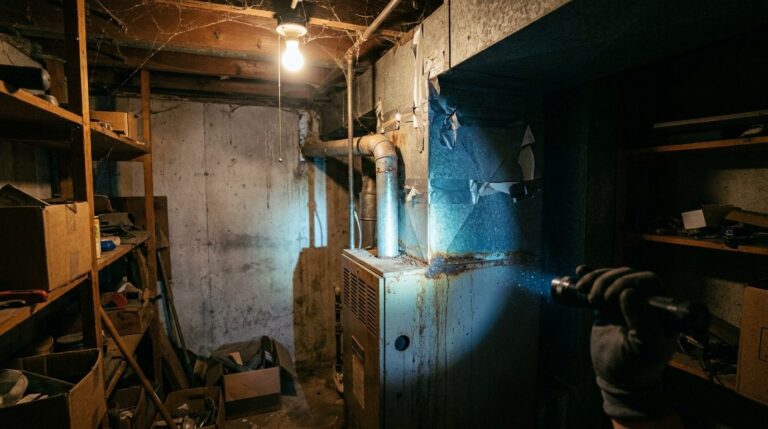
- Ask, casually, how the heat is working. A failing furnace is the kind of thing people put off dealing with.
Specific offers are easier to accept. A vague one puts the burden of asking back on the person who least wants to ask.
What to keep an eye on
Without hovering, notice the small things. Mail or newspapers piling up. A walk that has not been cleared. Lights that stay off, or that stay on all night. A car that has not moved in days.
During cold snaps and power outages, check in more often. If they are using a space heater, a gentle word about keeping it three feet from anything that can burn is worth the slight awkwardness. Make sure the house has working smoke and carbon monoxide alarms, and offer to change the batteries if they cannot reach them.
Respect their independence
Being a good neighbor is not the same as taking over. Most older adults want to stay independent and in their own homes, and they are entitled to make their own decisions, including ones you would not make.
Ask before you act. Accept a no gracefully, and keep the offer open.
When to call for help
If you cannot reach a neighbor and something seems wrong, call their emergency contact first. If you cannot reach anyone and you are genuinely worried, call the police non-emergency line and ask for a welfare check. If you can see that someone is hurt or unresponsive, call 911.
For longer-term needs, the Eldercare Locator, at 1-800-677-1116, can connect older adults and their families with local services such as meal delivery, help with heating bills and home repairs.
None of this takes much time. A phone number on the fridge and a habit of glancing at the house next door can be the difference between a hard winter and a dangerous one.