What the food pantry needs in November is not what most people bring
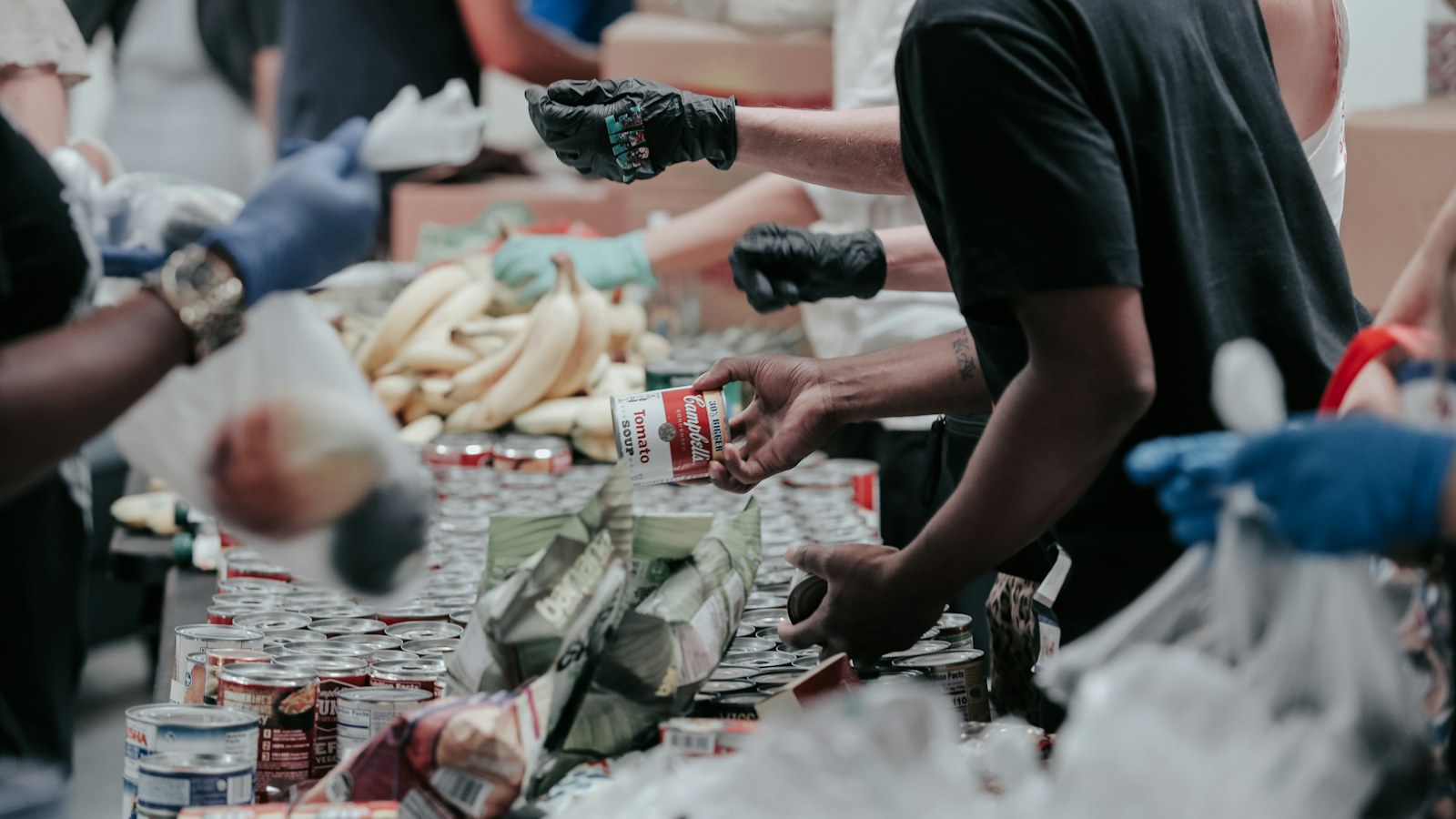
Every year around this time, the donation bins come out at the grocery store, the church and the school. And every year, the volunteers who run small food pantries open those bins and find the same thing: a great many cans of green beans.
Nobody should feel bad about giving green beans. Every donation is meant well and most of it gets used. But the people who keep rural pantries running would gently suggest that a little planning makes generosity go much further.
Cash goes further than cans
It can feel less personal to write a check than to fill a bag. But many food pantries buy food through regional food banks at a fraction of grocery store prices. A dollar given to the pantry often buys considerably more food than the same dollar spent in the canned goods aisle.
Cash also lets the pantry buy what it actually needs, including perishable foods like milk, eggs and meat that cannot be collected in a donation bin.
Think about whole meals
If you do want to give food, think about what a family can actually make with it. Protein is usually in short supply: canned chicken and tuna, peanut butter, beans. So are things like cooking oil, flour, spices and pancake mix, which turn a pile of ingredients into dinner.
Easy-open cans and foods that do not need much cooking matter for people without a full kitchen or for older people living alone. Low-sodium and low-sugar options help people managing health conditions.
What else runs short
Food stamps and pantry food do not cover everything a household needs. Pantries are often asked for diapers, toilet paper, soap, toothpaste, laundry detergent and feminine hygiene products. Those items are expensive and almost never donated in the amounts that are needed.
Remember the rest of the year
The shelves are often fullest in November and December. They tend to be emptiest in late winter and summer, when school is out and children are not getting meals at school. A donation in February or July can mean more than one in December.
Give time, if you can
Small pantries depend almost entirely on volunteers, and many of them have been doing the work for a long time. Pantries need people to unload trucks, stock shelves, drive to pick up donations and help on distribution days.
In a small town, the people coming through the pantry line are neighbors. Some of them used to be the ones dropping off donations. The best pantries are the ones where everyone, on both sides of the table, is treated that way.
So before you fill the bag this year, call the pantry and ask what it needs. The answer might surprise you, and it will almost certainly be more useful than another can of green beans.