Friday night lights are still the biggest room in a small town
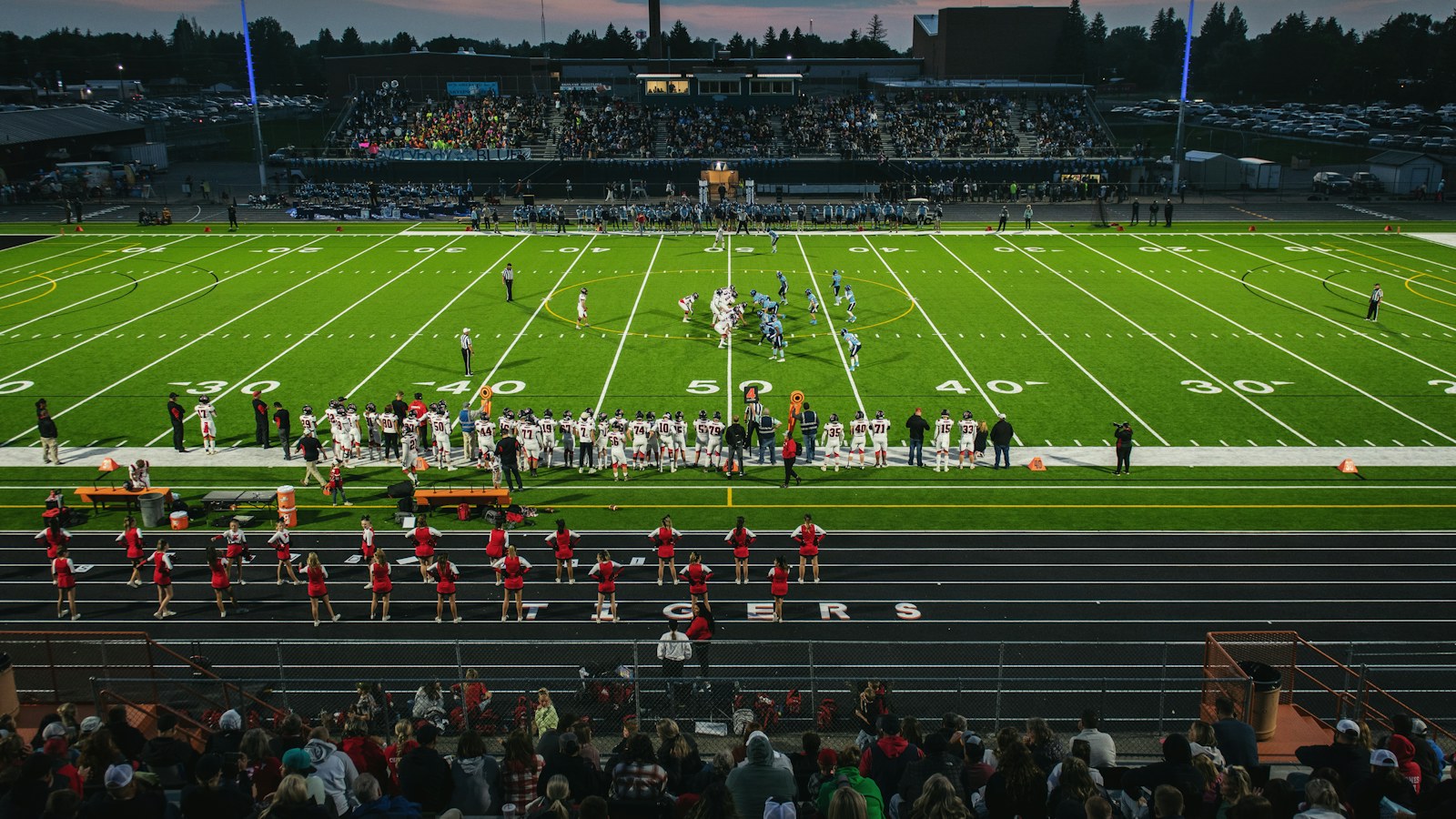
By early November, the high school football season in most of the country is down to its last few weeks. Playoffs are starting, the evenings are cold, and the bleachers are full of people in heavy coats holding cups of coffee they bought from the booster club.
It is easy to say a small town cares too much about football. Sometimes that is true. But anyone who has stood in those bleachers knows the game is only part of what is happening.
Everyone in one place
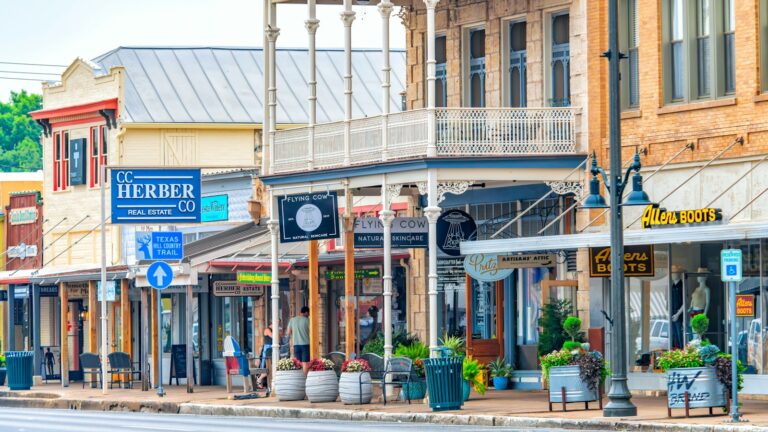
In a lot of small towns, there are very few places left where most of the community is in the same room at the same time. Churches split people by denomination. The grocery store sees people one at a time. The school board meeting draws a handful.
Friday night is different. The retired couple who have not missed a home game in thirty years sit a few rows from parents who just moved to town. The farmer sits near the nurse who is about to start a night shift. Kids who are not on the team come anyway, because that is where everyone else is.
There are not many other times when people who disagree about almost everything cheer for the same thing.
The work behind the game
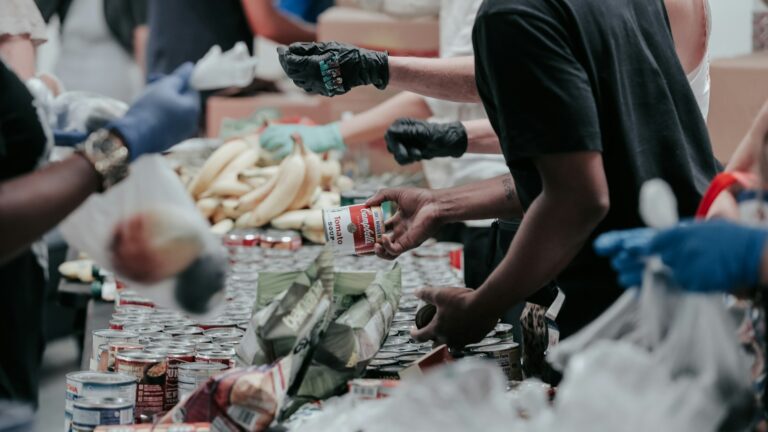
A home game takes a remarkable amount of unpaid labor. Someone runs the concession stand and someone else made the chili. Parents sell raffle tickets and fifty-fifty tickets. Volunteers run the scoreboard, the chains and the public address system. The band has been practicing since August.
In smaller schools, the roster is thin enough that the same students play both ways, then change clothes for the band at halftime, then go back out for the second half. Teachers coach. The bus drivers know every player by name.
That web of jobs is part of the point. Small towns hold together through people who show up and take on a task, and a football game is one of the most visible places where that happens every week.
When the numbers get small
In many rural areas, enrollment has fallen, and some schools have had trouble fielding a full team. Some have moved to eight-player or six-player football. Others have merged programs with a neighboring town, which can be painful when the rivalry is decades old.
Those decisions are hard, and people feel them as more than a sports question. When a school stops fielding a team, or merges with the town down the road, residents often feel they have lost something about who they are.
Worth showing up for
You do not have to care about football to see the value in the bleachers. You can come for the band, or the chili, or to say hello to a neighbor you have not seen since summer. You can come because your money at the concession stand pays for a new set of uniforms or a trip to a music competition.
The final score will be forgotten by Tuesday. What lasts is the habit of a whole town gathering under the lights, in the cold, and caring about the same thing for a couple of hours. In a lot of places, that habit is harder to find than it used to be. Where it still exists, it is worth keeping.