The two-finger wave and what it says about life on a country road
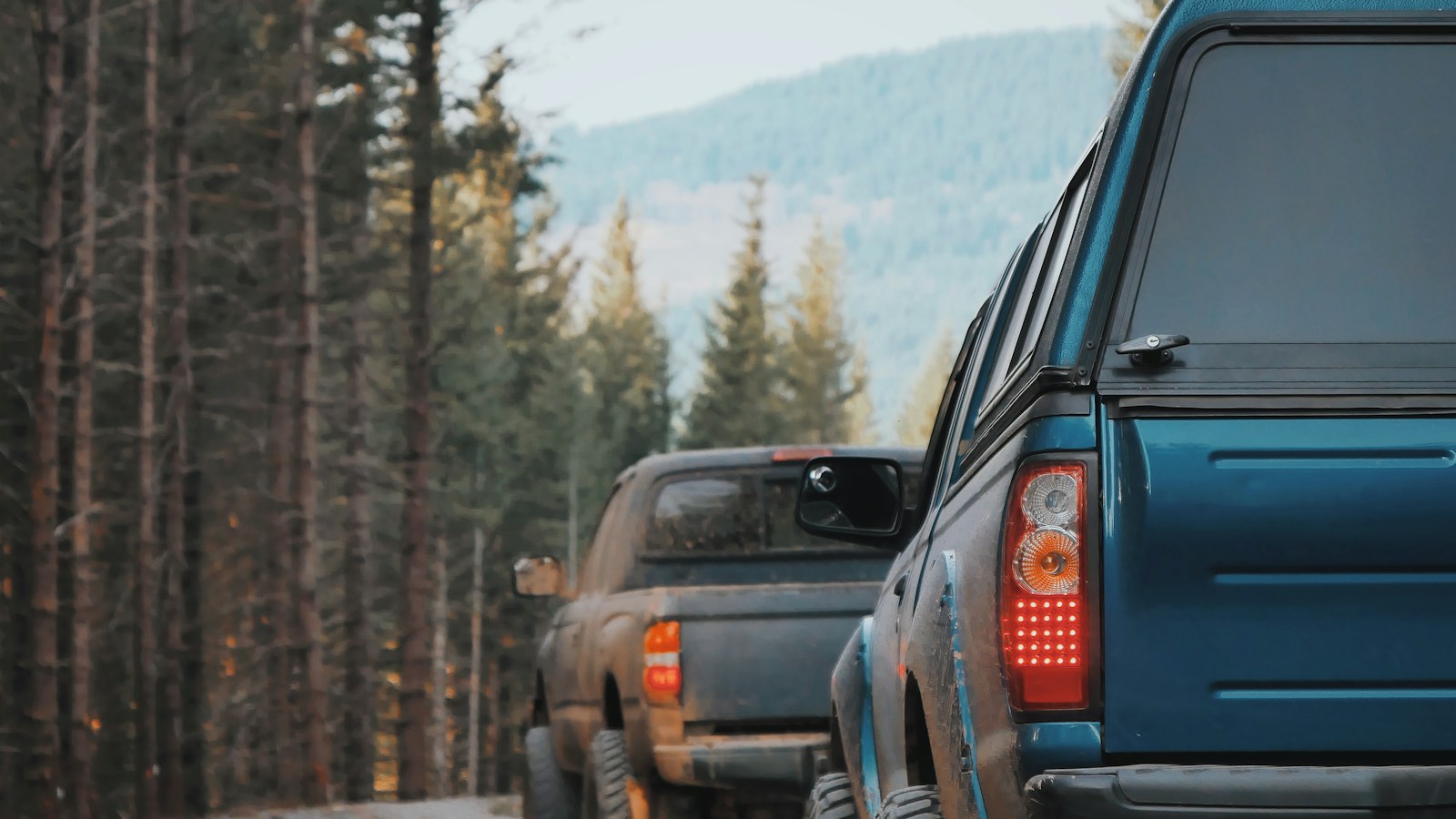
Spend enough time on a two-lane road in the country and you will learn the wave. Not a full hand out the window, just one or two fingers lifted off the top of the steering wheel as another vehicle goes by. Sometimes it is a nod. Sometimes a single raised index finger, held for a second and then dropped.
People who move out from a city often notice it right away and wonder whether they are supposed to know the driver. They are not. That is the point.
A greeting for strangers
In most of life, we save greetings for people we know. The country road wave works the other way. It is offered to everyone, the farmer in the grain truck, the school bus driver, the delivery van and the teenager in a borrowed car.
It says something simple. I see you. We are both out here. If you end up in the ditch, I will probably be the one who stops.
On a road where you might pass only a handful of vehicles in twenty minutes, every other driver is part of a very small group. The wave acknowledges that.
The rules nobody wrote down
There is an etiquette to it, even if no one teaches it. You wave on the county roads and the gravel roads, and usually on the state highway too. You stop waving when you hit the interstate or the edge of a bigger town, where there are too many cars for it to make sense.
You wave at tractors and combines, and the driver, high up in the cab, will usually lift a hand back. You wave at people walking along the shoulder or checking the mailbox. You wave whether or not they wave first.
Not waving is noticed, too, though it is rarely held against anyone. A newcomer who does not wave is assumed to be learning. A local who stops waving is assumed to be having a bad day.
Why it matters
It would be easy to dismiss the wave as a quaint habit. But it carries something that rural places depend on, a basic assumption that the people around you are neighbors in a broad sense, even when you have never met them.
That assumption is what makes people stop for a stranded driver, pull a car out of a ditch with a tow strap, or call in a cow that is out on the road. It is what makes a volunteer fire department or an ambulance squad possible. It is the same instinct, expressed in the smallest possible way.
Keep it going
Roads get busier as towns grow, and people are more distracted in their cars than they used to be. Some longtime residents say they see fewer waves than they once did.
If you drive the back roads, keep lifting the finger. It costs nothing. It takes no time. And it reminds everyone who sees it that out here, nobody is entirely a stranger.