What a neighborhood CERT team does before the ambulance arrives
After an earthquake, a flood or a bad windstorm, the 911 system gets overwhelmed quickly. Every engine and ambulance in the county is committed, calls stack up, and for a while the people on any given street are mostly on their own.
Community Emergency Response Teams exist for exactly that stretch of time. They are ordinary residents who have been trained to look after their own block until professional help can get there.
Where the idea came from
The Los Angeles Fire Department developed the program in the mid-1980s, after studying disasters in which untrained volunteers did much of the early rescue work and some of them were hurt doing it. The goal was to give those volunteers basic skills so they could help without becoming casualties themselves.
FEMA made the training available nationally in the early 1990s. Today it is a federally supported program run locally, usually by a county emergency management office or a fire department. You will hear it called CERT.
What the training covers
The basic course is free and usually takes somewhere between 20 and 30 hours, often spread across several evenings or weekends. It mixes classroom time with hands-on practice. The core topics are:
- Preparing your own household, because a volunteer who is scrambling at home cannot help anyone else
- Putting out small fires safely and knowing when a fire is too big to fight
- Shutting off gas, water and electricity when it is necessary
- Disaster first aid, including how to quickly sort the injured by who needs help most urgently
- Light search and rescue in buildings with minor damage
- Working as part of a team and handing information to professional responders
- Looking after the emotional strain on survivors and on the volunteers themselves
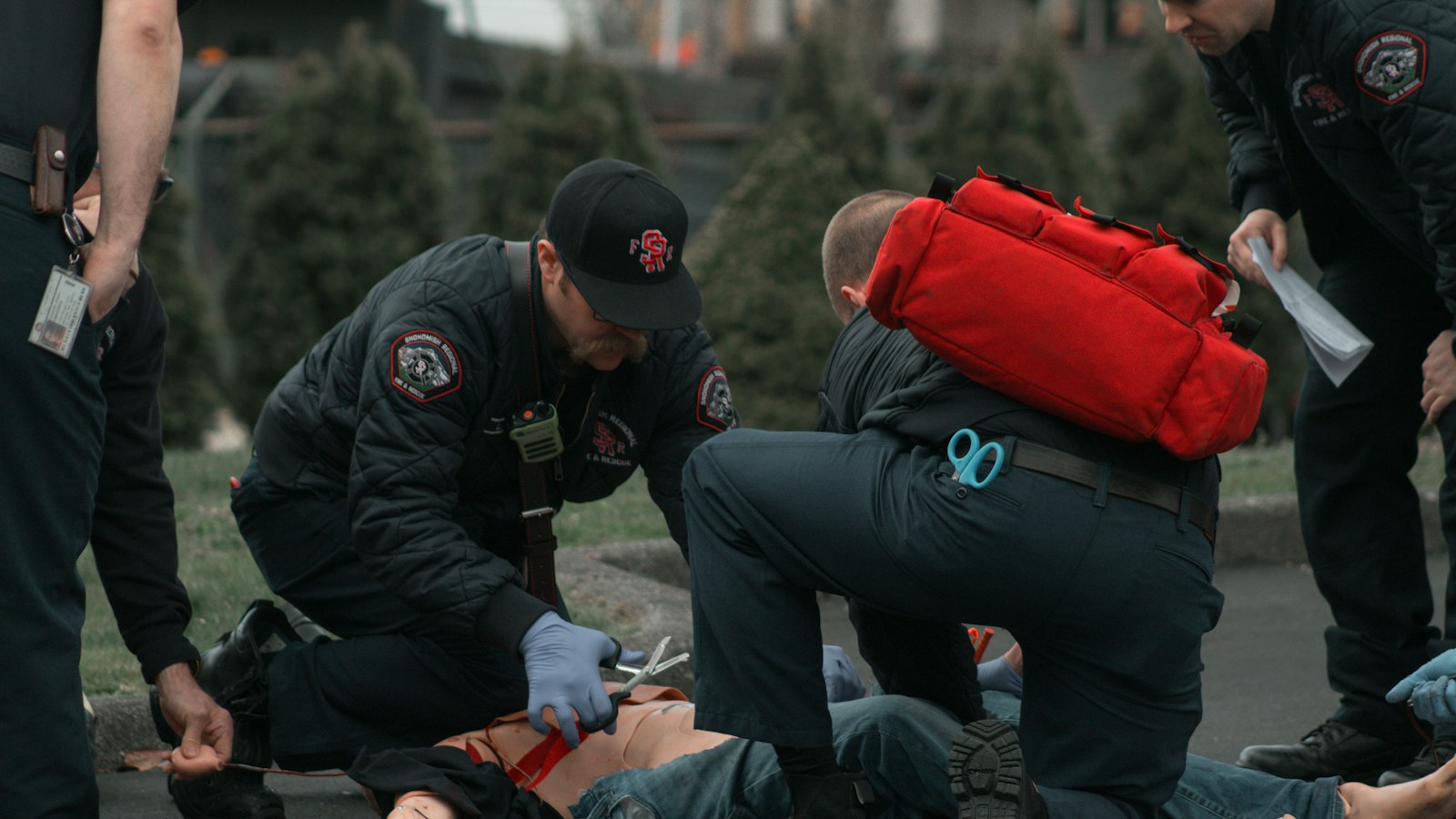
Programs typically finish with a hands-on exercise, a staged disaster where trainees practice what they have learned on volunteers playing the injured.
What a team actually does
It is worth being clear about what CERT is not. Volunteers do not respond to everyday 911 calls, they do not replace firefighters or paramedics, and they are trained to stay out of heavily damaged buildings.
What they do is organize. After a major event, a trained volunteer can walk the street, find out who is hurt and who is unaccounted for, deal with a small fire before it spreads, shut off a leaking gas line, and have a clear, short report ready when a fire crew finally arrives. That report alone can save responders a great deal of time.
Between disasters, many teams stay busy. They help staff shelters during evacuations, assist at large community events, check on residents during heat waves and winter storms, and help with preparedness talks at schools and churches.
Why it matters on an ordinary street
Most of the help people receive in the first minutes of any emergency comes from whoever happens to be nearby. That is true of house fires and car crashes, and it is even more true after a disaster, when the wait for professional help can stretch from minutes into hours.
CERT does not change that. It makes the people who are already going to help better at it, and less likely to get hurt.
How to join
Start with your county or city emergency management office, or ask your local fire department. Most run at least one basic course a year, and many keep a waiting list. FEMA also offers an online introduction, though in most programs it does not replace the in-person training.
You do not need any medical or emergency background. Programs welcome retirees, students, parents and people with limited mobility, since a team needs people to keep records and run communications as much as it needs people to carry equipment.
If your area does not have a program, ask why. Sometimes the answer is simply that nobody has asked for one.