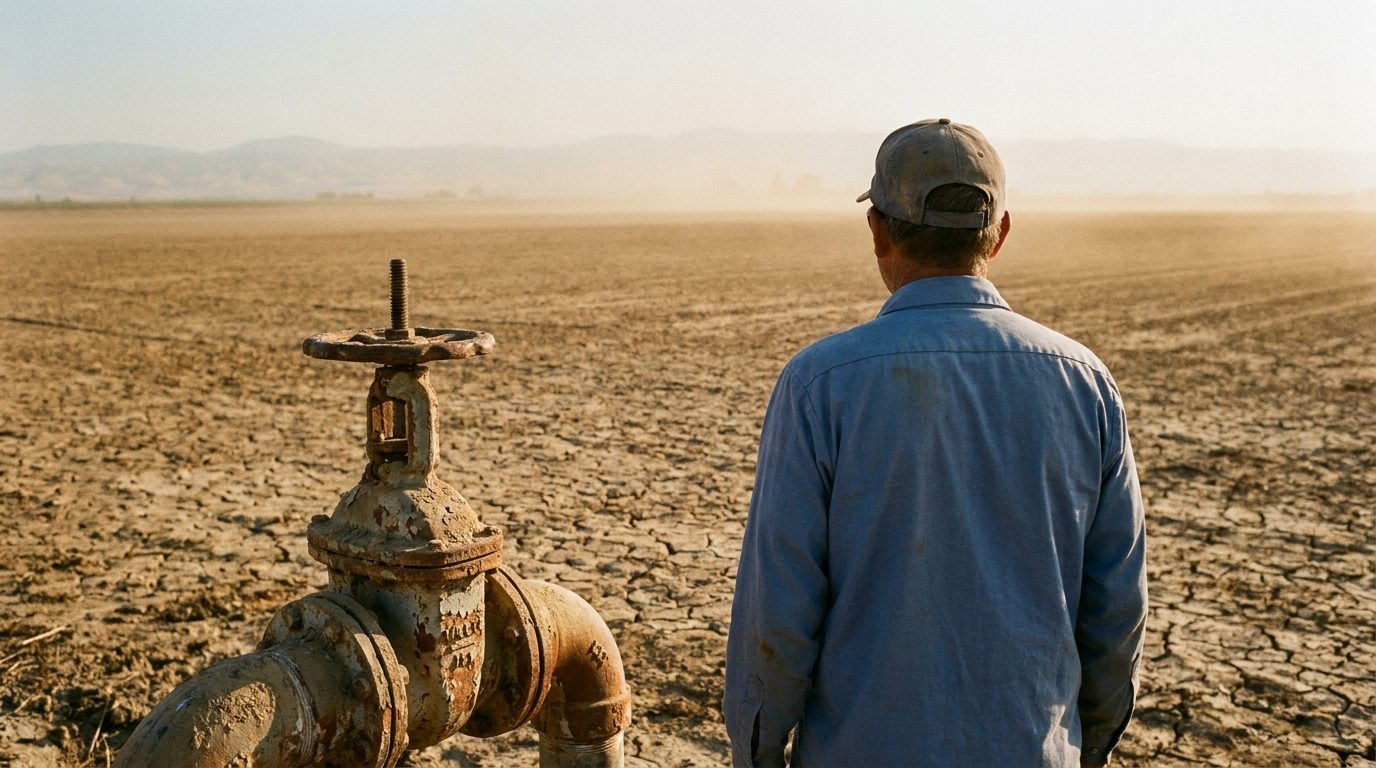
Why Central Valley farmers are selling water rights instead of planting
A grower with water and no crop can still have a business. That sentence would have made no sense to my grandparents and it describes a real part of Central Valley agriculture now.
I grew up here and I write about it more than I planned to.
How water rights work, very briefly
California water law is a combination of two systems that do not naturally fit together.
Riparian rights attach to land adjoining a watercourse. Appropriative rights are based on putting water to beneficial use, with priority by seniority, so older claims are served first in a shortage.
Layered on top are federal and state project contracts, and groundwater, which was largely unregulated until recently.
The practical consequence is that not all water is equal. A senior right delivered in a dry year is worth a great deal more than a junior one that gets cut.
What changed
Two things, and they compound.
Sustained drought and reduced surface allocations. In dry years, project allocations have been cut severely, sometimes to a small fraction of contract amounts.
And groundwater regulation. The Sustainable Groundwater Management Act, passed in 2014, requires basins to reach sustainable pumping levels on a timetable running into the 2040s. Local agencies are writing and implementing plans, and in overdrafted basins those plans mean allocations, metering, and eventually pumping that is substantially reduced from historic levels.
For growers who relied on groundwater to fill the gap when surface water was short, that backstop is closing.
Why selling can beat planting
Run the numbers on a field crop in a year when water is expensive. Cost of water, plus inputs, plus labour, plus harvest, against a commodity price you do not control.
Now compare that with transferring the water to a buyer who will pay a price set by scarcity, with no input costs and no harvest risk.
In a dry year the transfer wins, sometimes by a wide margin, and it wins without the grower risking anything.
Buyers include urban water agencies, other districts, and growers of permanent crops who cannot fallow. That last group is the key to the whole market. An almond or pistachio orchard cannot be left unwatered for a season, because the trees die and the investment is gone. Those growers will pay a great deal for water in a dry year, and annual crop growers are the ones who can supply it by not planting.
Fallowing and the arrangements around it
Some of this is formal. Programmes that pay growers to fallow acreage and transfer the conserved water, run by districts or by the state.
Some is private, between willing parties within the rules of the relevant district and subject to approval.
There is real money in it, and in a dry year it is the difference between a farm surviving and not.
What it does to everything else
This is where I would urge caution about calling it a solution.
Fallowed ground does not employ anyone. Farm labour, equipment dealers, seed and fertiliser suppliers, packing sheds, trucking. A field not planted removes a chain of jobs, and those jobs are held by people in small valley towns with very little else.
Dust is a real air quality problem on bare ground, in a region that already has among the worst air in the country.
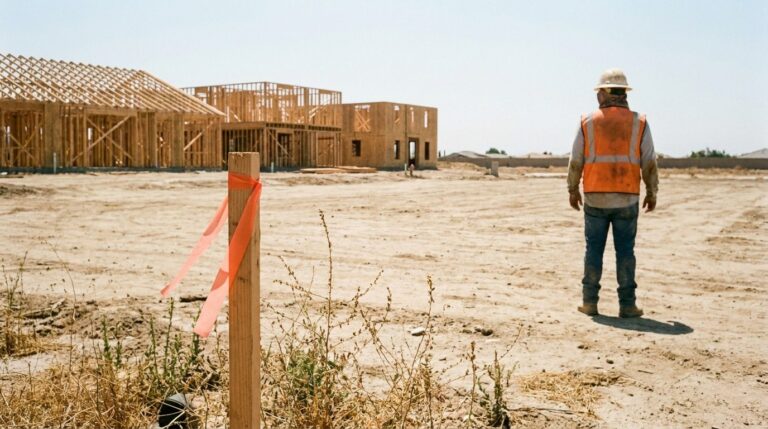
And land taken out of production long enough tends not to come back, particularly if it is then sold for solar or for development.
There is also a question about who ends up holding the water in the long run, and whether a market moves it permanently from agriculture to cities, which is a policy question that is being answered incrementally by transactions rather than deliberately by anyone.
What I watch
Groundwater sustainability plan implementation in the overdrafted basins, which is where the binding constraints are being set right now.
Allocation announcements in the spring, which drive the transfer market for the year.
And land use filings, because fallowing that turns into a solar lease is a permanent conversion dressed up as a temporary decision.
None of it happens at a dramatic public meeting. It happens in district board agendas and in county filings, and that is where I spend a good part of my week.