What it takes to run a single-pump gas station in rural Nebraska
The margin on a gallon of fuel is a few cents. That number is the beginning and the end of the story, and everything else follows from it.
I stopped at these places for twenty-eight years and I never understood the economics until I sat down with a man who runs one and asked him to show me.
Fuel does not make the money
He buys at a wholesale price he has no influence over and sells at a price the market sets, and the spread is small.
Out of that spread comes the card processing fee, which on a fuel purchase is a meaningful proportion of the margin. He said credit card fees are the single thing he would change if he could change one thing.
So the fuel is close to a break even proposition, and its purpose is to bring people through the door.
The money is inside
Coffee, which has an excellent margin. Snacks and drinks, which have a good one. Hot food if he can manage it, which he does at lunch.
Cigarettes and lottery, both of which have thin margins and both of which bring people in reliably.
And the things a rural station sells that a city one does not. Bait. Propane exchange. Chains and fluids and belts. Ice in summer.
He described the business as a small general store with a fuel pump attached, and said anyone who thinks of it the other way round goes out of business.
The tank problem
This is the thing that closes these places and hardly anyone outside the business knows about it.
Underground storage tanks are regulated. Older single wall steel tanks had to be replaced or upgraded, and there are ongoing requirements for leak detection, monitoring, and eventual replacement.
Replacing a tank system is a very large expense for a business earning a few cents a gallon. Excavation, disposal, new tanks, new lines, monitoring equipment, testing.
For a station selling modest volumes, the arithmetic frequently does not work, and the owner closes rather than spends. There are state trust funds and assistance programmes in many states that help, and they do not cover everything.
Then the nearest fuel is twenty-five miles away and the town has a new problem.
The hours
He opens at five thirty and closes at eight. Seven days.
He has one part time employee. His wife does the books. That is the entire operation, and he has taken four days off in three years.
The labour cost of hiring somebody to cover a shift is, against his margins, genuinely difficult to absorb. That is not an excuse for low wages, it is a description of a business with almost no room in it.
What keeps it open
Being the only one. He is the only fuel within a substantial radius, and that is the whole competitive position.
Farm accounts. Local operations that fuel equipment there and settle monthly are a large and reliable share of the volume.
And the store function. He said the coffee pays the electric bill, which I think was only half a joke.
What happens when they close
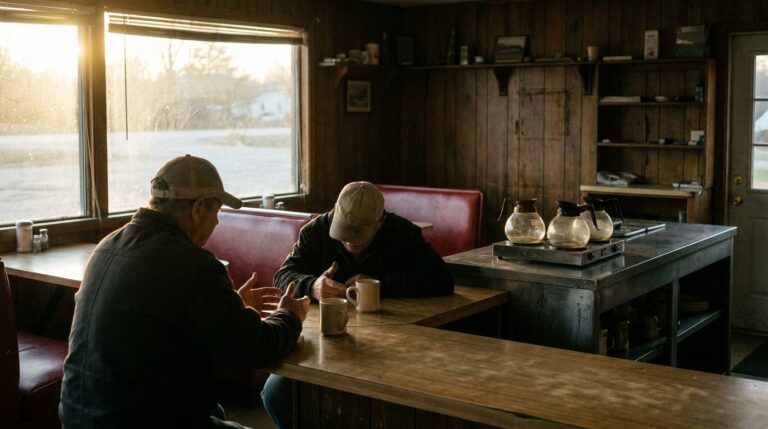
The town loses fuel, which matters most to the people least able to drive twenty-five miles, and it loses the informal function of the place, which is the only room in some towns where people see each other on a weekday.
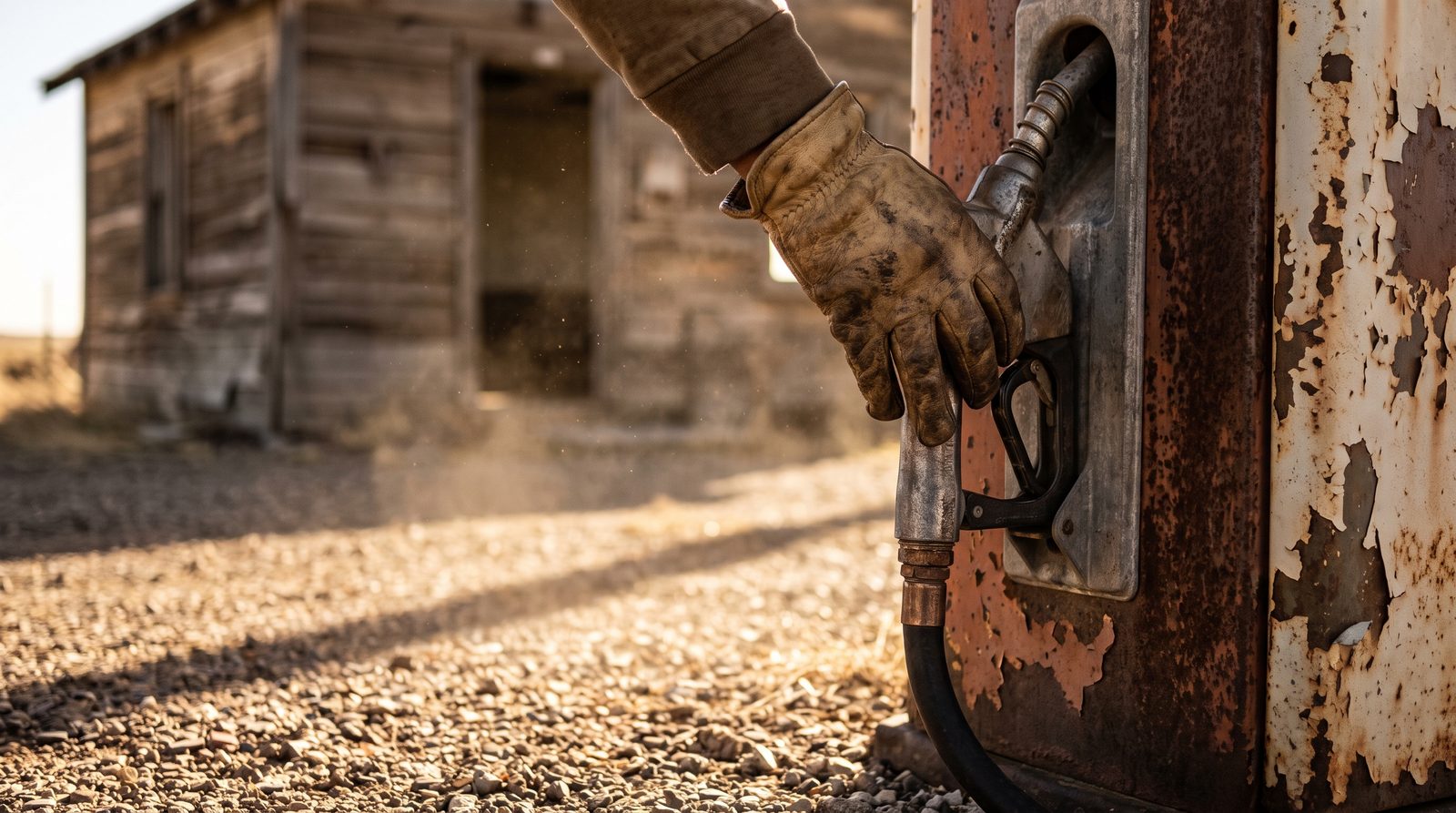
I have driven through a lot of towns where this already happened. You can tell immediately. The pumps are still standing with the hoses cut off, and there is nothing open on the main street at all.
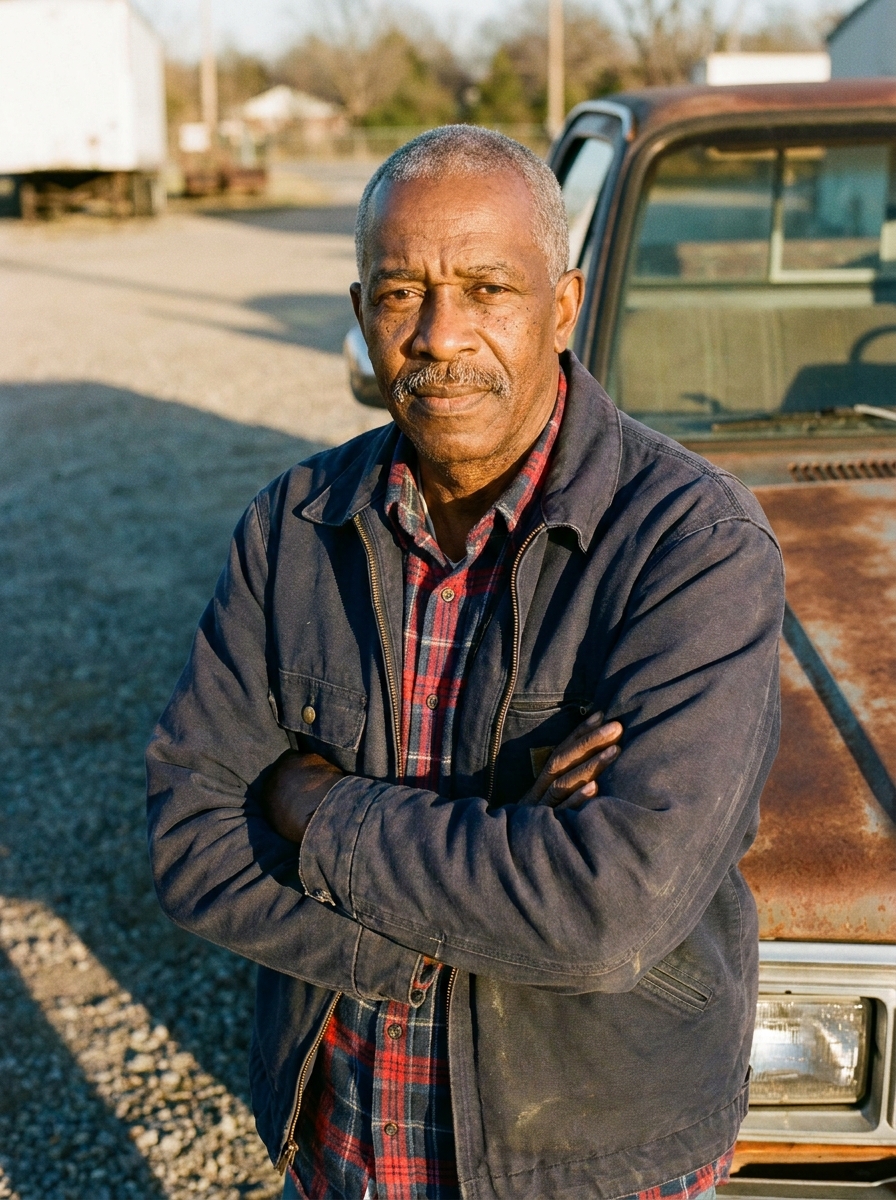
He is sixty-three. I asked about succession and got the same answer I get everywhere, which is a shrug and a change of subject.