How independent truck stops survive against interstate chains
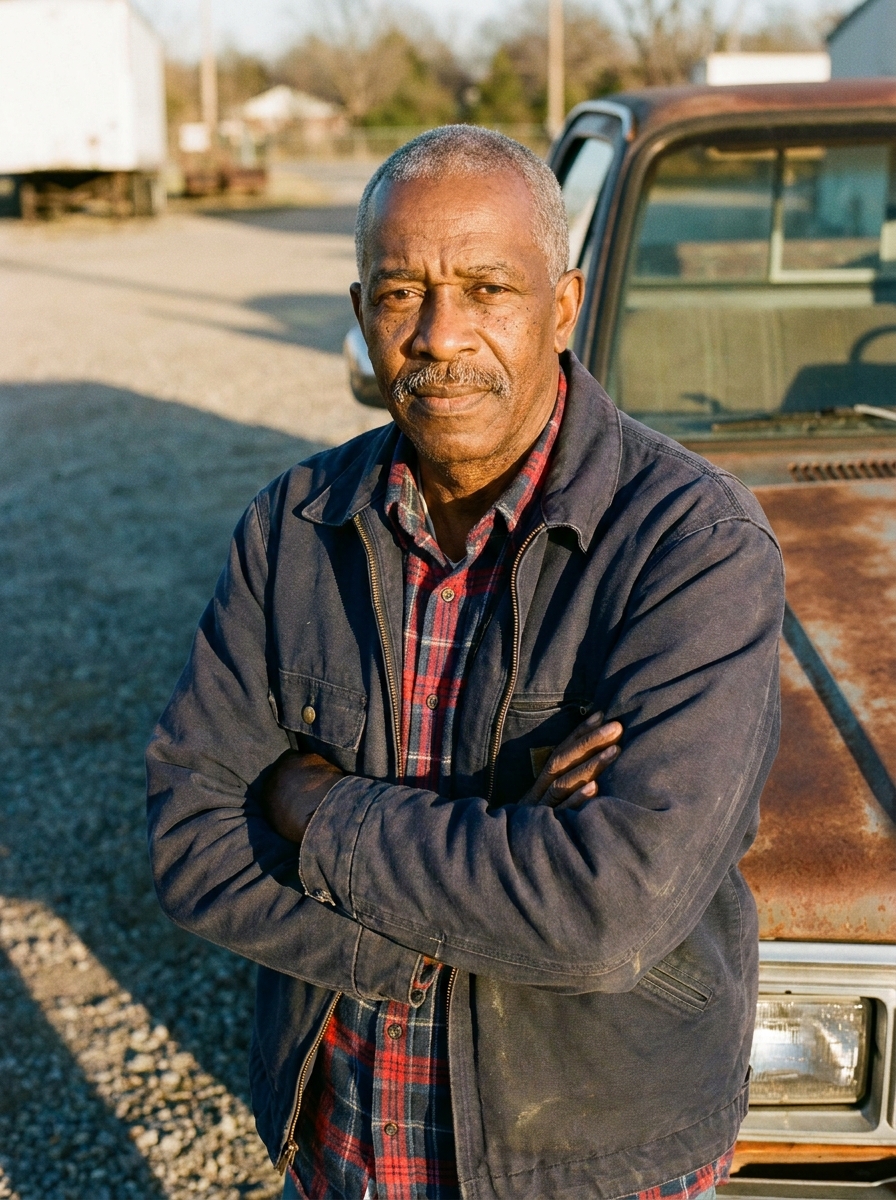
I put close to three million miles behind me before my knees decided the matter, and I stopped at a great many places that no longer exist.
The ones that are still there did something specific to stay open. It is worth writing down, because the usual explanation, that people prefer the friendly local place, is sentimental and not quite true.
What the chains actually offer
Predictability, and it matters more than anyone admits.
A driver on a schedule wants to know the showers are clean, the fuel islands work, the parking is marked, and the food is the same as it was in Ohio. That is genuinely valuable when you are tired and behind.
The chains also have fuel purchasing power that an independent cannot match, and fleet fuel card arrangements that route company drivers to them whether the driver likes it or not.
That last point is the one people miss. A lot of drivers are not choosing. Their employer's fuel network chose for them.
So who is left to compete for
Owner operators, who buy their own fuel and can go where they like.
Local and regional drivers, who are home most nights and know the area.
Farmers and tradesmen, who are a large part of the business at any rural stop and are not truckers at all.
And travellers who came off the interstate for a reason.
That is a smaller market than the chains have and it is not nothing.
What the survivors do
Food. Not nostalgia about home cooking, actual food that is better than the alternative. A kitchen that makes its own is an asset that cannot be replicated by a franchise, and drivers talk to each other about where to eat more than about anything else.
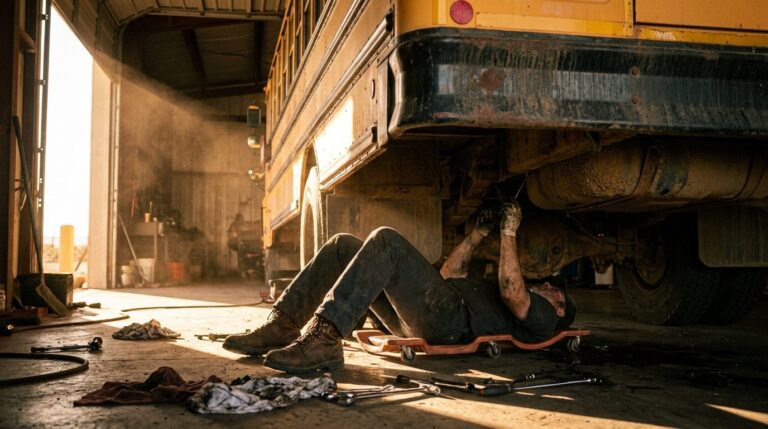
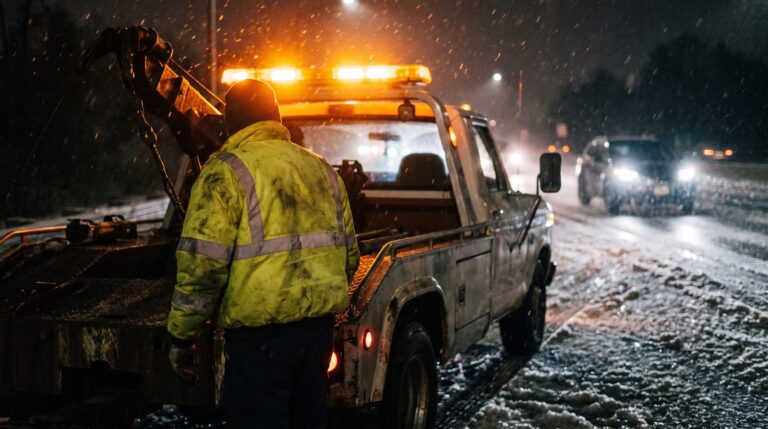
Repair. This is the big one and it is underrated. An independent with a shop that will look at a truck on a Sunday has something no travel plaza offers. Roadside breakdowns are enormously expensive in lost time, and a place that can get you moving earns a customer for a decade.
Parking that is free and reliable. Chains have increasingly charged for reserved overnight parking, and a driver out of hours who cannot find a legal space has a real problem. An independent with a gravel lot and no fee is solving something.
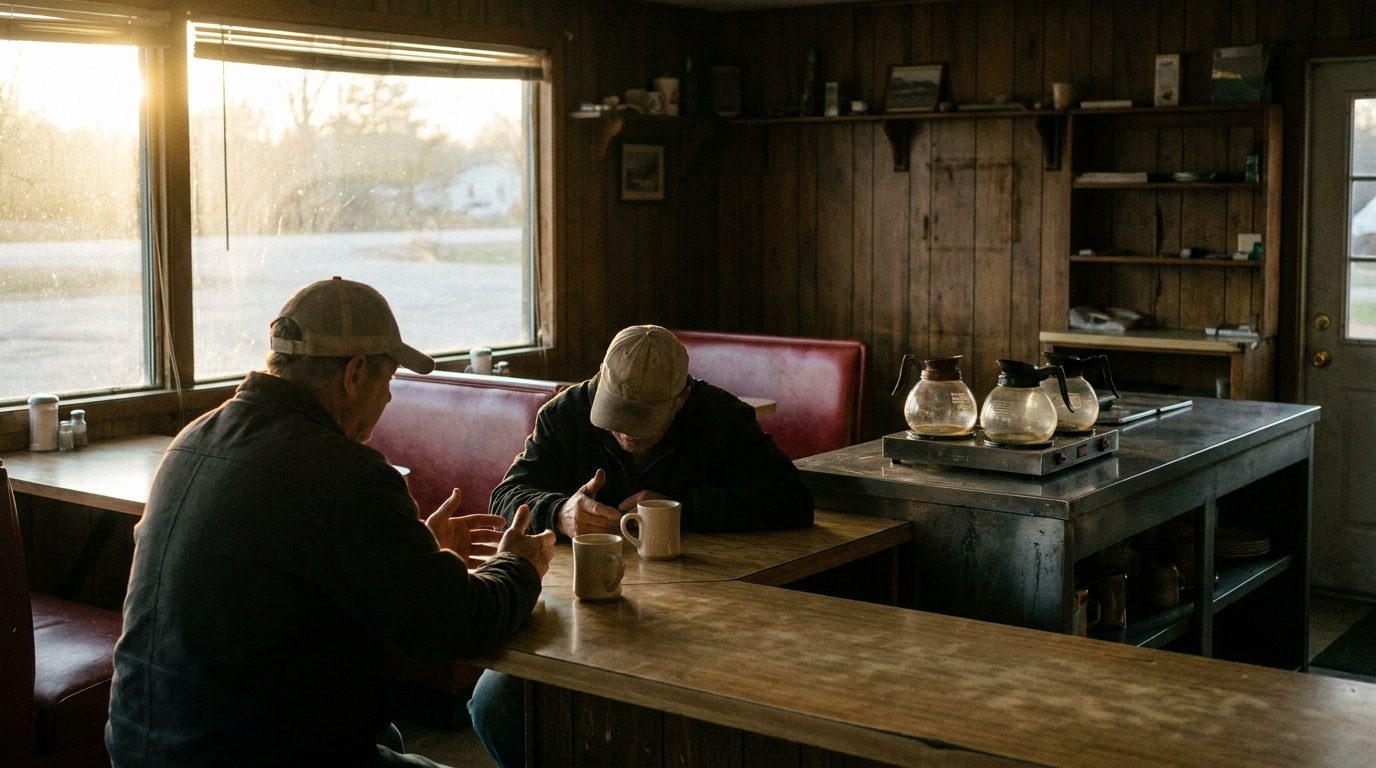
Serving the locals. The stops that survive in small towns survive because farmers eat breakfast there and the volunteer fire department meets there. Truckers alone are not enough volume.
Fuel that is competitive, which usually means joining a buying group or an independent network so they are not negotiating alone.
What killed the ones that closed
Fuel margin, mostly. Selling diesel at a price a driver will pay while buying it at a small operator's price is close to impossible without a group behind you.
Deferred maintenance on the buildings, which is visible and which drivers read accurately as a sign the place is failing.
Not being on the right side of the ramp. Access matters enormously to a vehicle seventy feet long, and a lot that is awkward to enter and exit will be avoided regardless of what is inside.
And succession. An extraordinary number of these places closed because the owner retired and nobody in the family wanted it. That is a quieter cause than competition and I would guess it accounts for as many closures.
What a traveller can do
Not much, honestly, and I am not going to pretend that stopping for pie is an economic policy.
If you want to use them, the practical advice is to come off the ramp and look past the first two signs, and to eat rather than just fuel, because food is where the margin is.
What I actually think
The independents that survive are not surviving on goodwill. They are surviving because they offer something specific that the chain does not: a mechanic, free parking, a kitchen, or a local trade that keeps the lights on between trucks.
The ones that tried to compete head on, same offering, smaller scale, are gone. All of them.
That is a harder lesson than the one people usually tell about this, and it is the one that would actually help somebody thinking about keeping a place like that open.