Surviving a carbon monoxide leak in a rental home
The calls come in the first cold week. Every year, without fail, the first week people turn the heat on.
Headache, nausea, dizziness, everybody in the house feeling unwell at once and better when they go outside. That last part is the tell, and almost nobody recognises it while it is happening, because carbon monoxide poisoning feels like flu and flu is what you assume.
Why renters are more exposed
Not because renters are careless. Because of who controls the equipment.
The furnace, the water heater, the gas range, the flue and the chimney all belong to the landlord. A tenant cannot inspect a heat exchanger and is not going to pay for a service call on somebody else's boiler.
Older housing stock, deferred maintenance, and appliances kept in service past their sensible life are concentrated in rental property. So is a reluctance to complain, particularly among tenants who are not confident about their position.
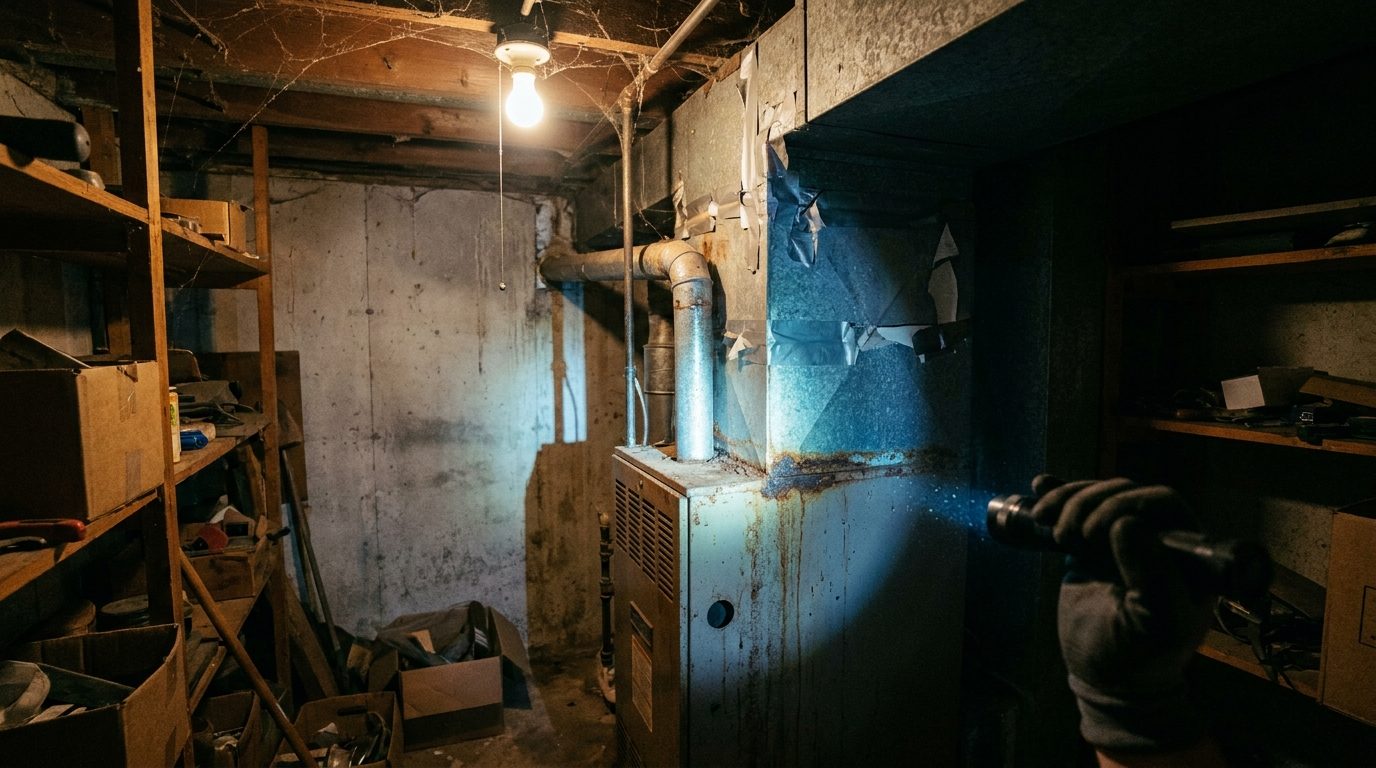
I took a call from a family in a lower duplex where the furnace had been making the upstairs unit unwell for weeks. The upstairs tenants had told the landlord. Nothing had happened.
The law, briefly and with a caveat
Most states require carbon monoxide detectors in residential rental property. The specifics vary a great deal: which buildings, how many detectors, where they go, and who is responsible for batteries.
Wisconsin requires them in most dwellings including rentals. Your state almost certainly has something, and the details differ enough that I am not going to summarise a rule that may not be yours. Look up your state's requirement, and your city's, which is sometimes stricter.
What is consistent everywhere is that a detector is cheap and the requirement is a floor rather than a target.
What to actually do
Buy your own detector. Do not wait to establish whose obligation it is. They cost very little, they plug in or take batteries, and the argument about responsibility can happen afterwards.
Put one outside each sleeping area and one on each level. Follow the instructions on placement, because height matters and manufacturers differ.
Check the date on it. Detectors expire, typically after five to ten years, and an expired one gives you false confidence. There is a manufacture date printed on the back. If it is older than the stated life, it is decoration.
Test it monthly with the button.
If the alarm goes off
Leave. Everybody, including pets, outside, immediately.
Do not open windows first to ventilate and then investigate. That is the instinct and it is wrong, because it disperses the evidence and delays your exit.
Call 911 from outside. The fire department will come with a meter and tell you what the levels actually are. They do this routinely and they would far rather come out to nothing.
Do not go back in until they say so.
If anyone has symptoms, say so on the call. Carbon monoxide poisoning is treated with oxygen and the sooner the better.
Dealing with the landlord afterwards
Put everything in writing, from the first report onward. Text or email, so there is a timestamp.
Keep the fire department's report. That is the single most useful document you will have, because it is an independent measurement from a public agency.
Know that most states give tenants remedies when a landlord fails to repair a condition affecting health and safety: the right to repair and deduct, to withhold rent into escrow, or to terminate. These vary enormously and several have procedural steps that must be followed exactly, so get local advice before you stop paying anything.
Your local housing authority or code enforcement office will inspect. That is free and it creates a record with teeth.
The thing I want people to take from this
A detector costs less than a takeaway meal and it is the only warning you get, because the gas has no smell and the symptoms convince you that you have a virus.
The people I dealt with who survived this were, almost without exception, the ones who had a working detector or who happened to go outside and notice they felt better.
That is a thin margin to leave to chance in your own home.