Most fire departments run on volunteers, and there are fewer of them every year
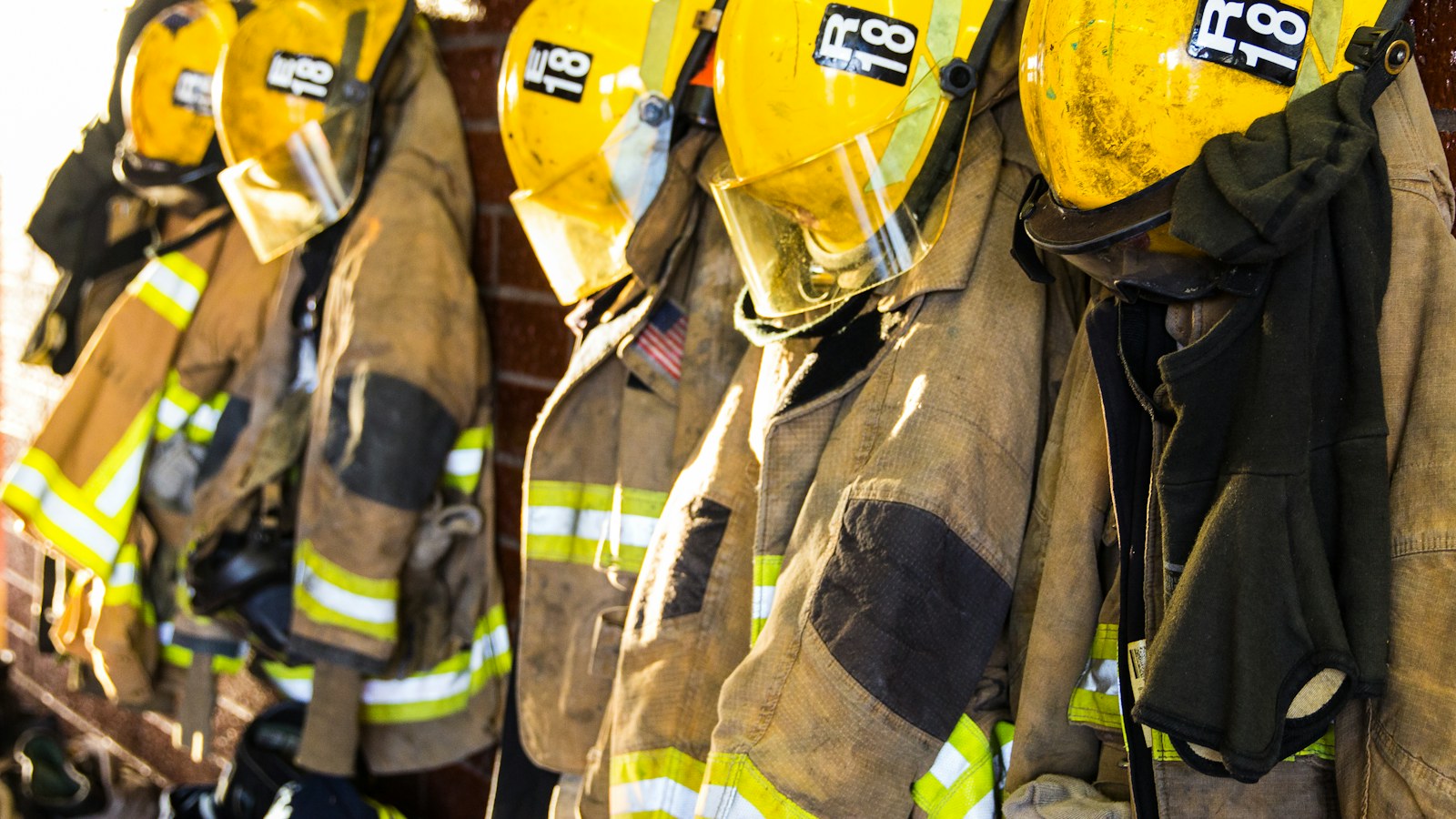
When you call 911 for a house fire or a car crash in much of rural America, the people who answer will not be paid to come. They are volunteers who leave their jobs, their dinners and their beds when the pager goes off.
There are fewer of them than there used to be, and the departments that depend on them are worried.
How much the country relies on volunteers
According to the National Volunteer Fire Council, nearly 19,000 of the roughly 30,000 fire departments in the United States are all-volunteer, and more than 5,000 more are mostly volunteer. The National Fire Protection Association estimates that more than 60 percent of the country’s firefighters are volunteers.
The total number of firefighters, career and volunteer combined, was about 1 million in 2020, the lowest since 1991. The association attributes the drop to a sharp decline in the estimated number of volunteers.
Why it is harder to recruit
Department leaders tend to name the same reasons.
Work has changed. Fewer people work in the town where they live, and fewer employers will let someone leave in the middle of a shift to answer a call.
Training takes more time. Basic firefighter and emergency medical training now requires many hours of classes, and ongoing training is needed to stay certified. Volunteers do that on their own time.
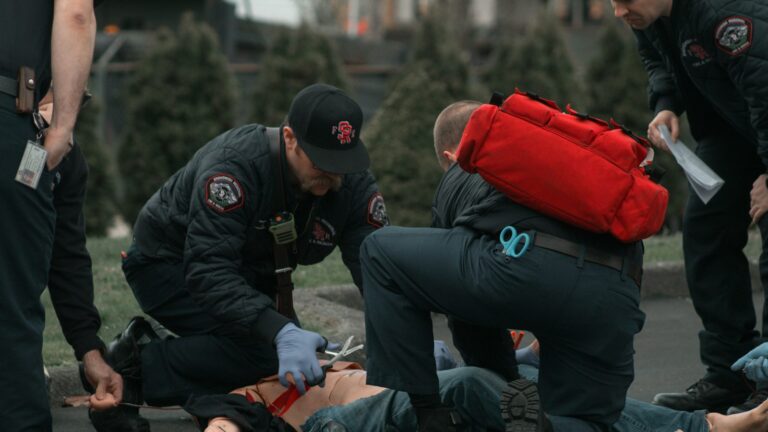
Calls have increased. Many departments now respond to far more medical calls than fires, along with crashes, hazardous spills and storms. The work has grown even as the number of people available to do it has shrunk.
The membership is aging. In many small departments the same core group has been answering calls for decades, and not enough younger people are coming in behind them.
When there are not enough volunteers, the effects show up in response times. A department may not be able to put enough people on a truck, and neighboring departments have to be called in from farther away.
You do not have to fight fires to help
Departments need more than people who run into burning buildings. Many have openings that do not involve firefighting at all:
- Administrative help, including grant writing, bookkeeping and keeping training records
- Fundraising, which pays for equipment in many small departments
- Fire police or traffic control at crash scenes, where state law allows
- Rehab and support at long incidents, bringing water, food and dry clothing to crews
- Community education, such as teaching fire safety at schools
Employers can help by allowing volunteer firefighters to leave work for calls without losing pay or standing. Some states offer tax credits or other incentives for volunteers, and a few offer help with tuition or retirement benefits.
Small things anyone can do
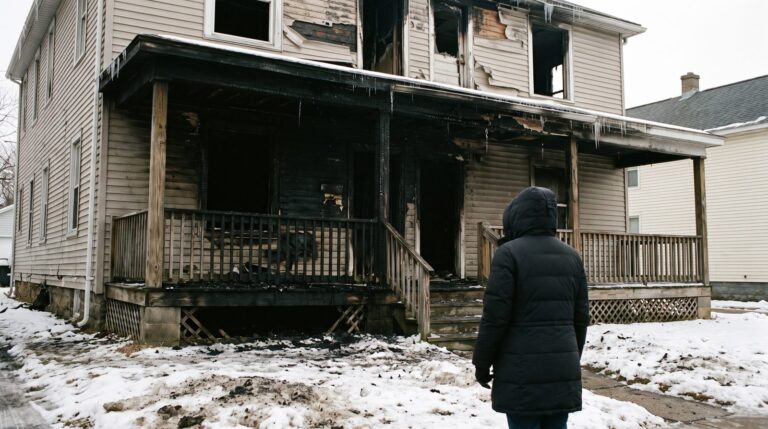
Make sure your house number is large, reflective and visible from the road, so a crew can find you at night. Keep working smoke alarms on every level of the house. Show up to the department’s pancake breakfast or chicken dinner, and buy a ticket.
And if you have ever thought about volunteering, stop by the station on a training night and ask. The National Volunteer Fire Council runs a recruitment site, Make Me A Firefighter, where you can search for departments looking for help near you.
The fire service in most of the country has always depended on neighbors showing up for neighbors. Whether that continues depends on who answers the next time the department asks.